Oregon Coast Native Forest Restoration

One Tree Planted

Think Human Fund

Mission & History
One Tree Planted is a leading environmental nonprofit organization founded in 2014 in Vermont. It is dedicated to fostering a sustainable and resilient future through innovative nature-based solutions rooted in the science of trees. Since its inception, One Tree Planted has planted over 171 million trees in collaboration with more than 490 partners across 84 countries, restoring over 300,000 hectares of land. Their global reforestation efforts are characterized by a grassroots, community-centric approach, leveraging a wide network of local partnerships to implement large-scale reforestation and urban forestry projects.

Country Information

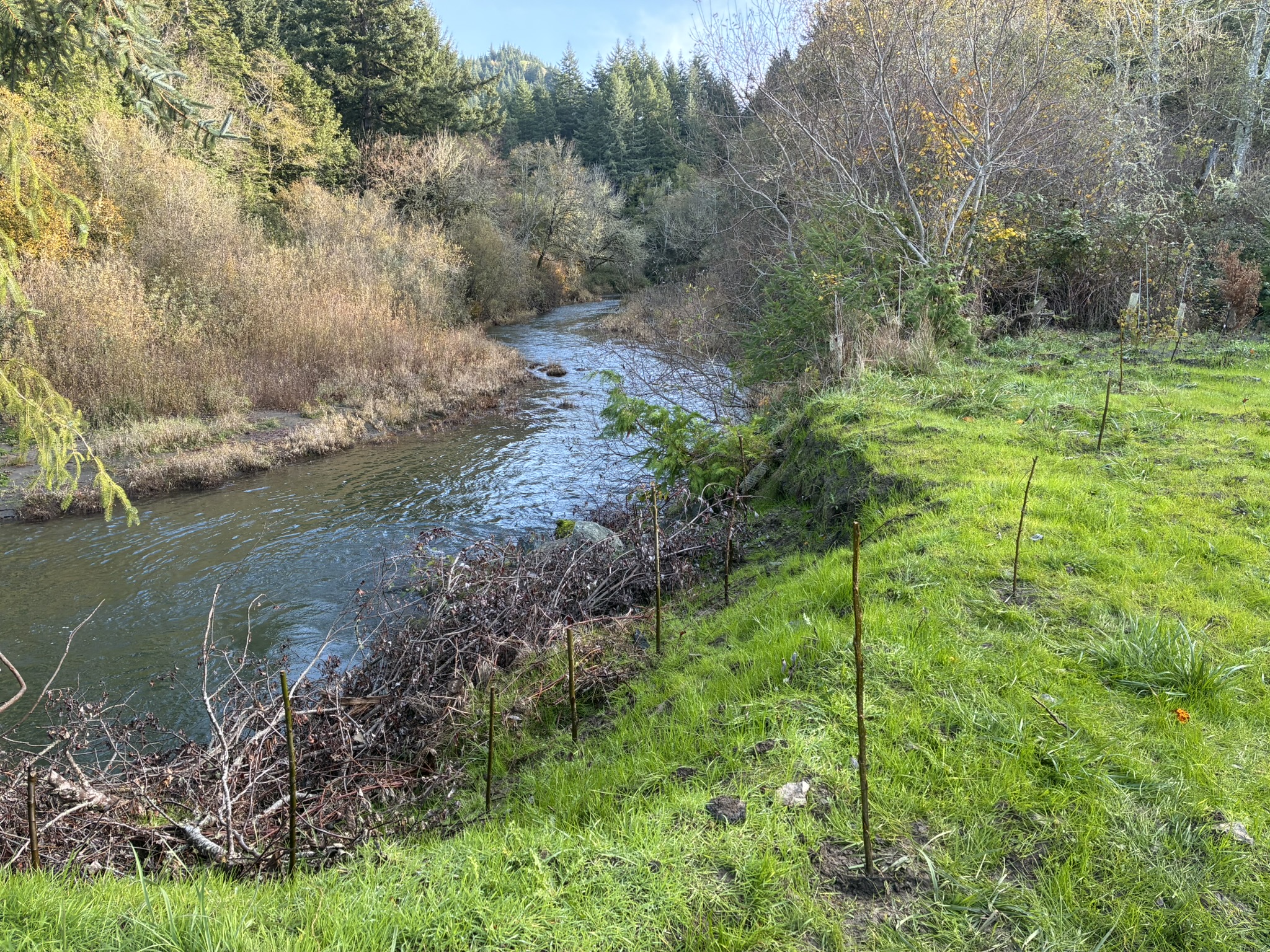
The project is situated along a 100-mile stretch of Oregon’s southern coast, encompassing sites in the New River, Sixes River, Elk River, Rogue River, and Chetco River watersheds. This ecologically significant region supports a diverse range of native plant and animal species, including critical habitats for coho salmon, steelhead trout, and migratory birds. However, the area faces challenges such as the spread of invasive gorse, a flammable shrub that threatens public safety and the ecological integrity of these habitats.

The Need in 2026

Curry County, Oregon, where the project is based, is a remote and economically disadvantaged region with higher-than-average poverty rates. The local economy relies heavily on natural resource-based industries like fishing, farming, and outdoor recreation, which are vulnerable to environmental issues like declining water quality and habitat degradation. The presence of invasive gorse compounds these problems by increasing wildfire risk, threatening both the environment and community safety.
 

The Project We Fund

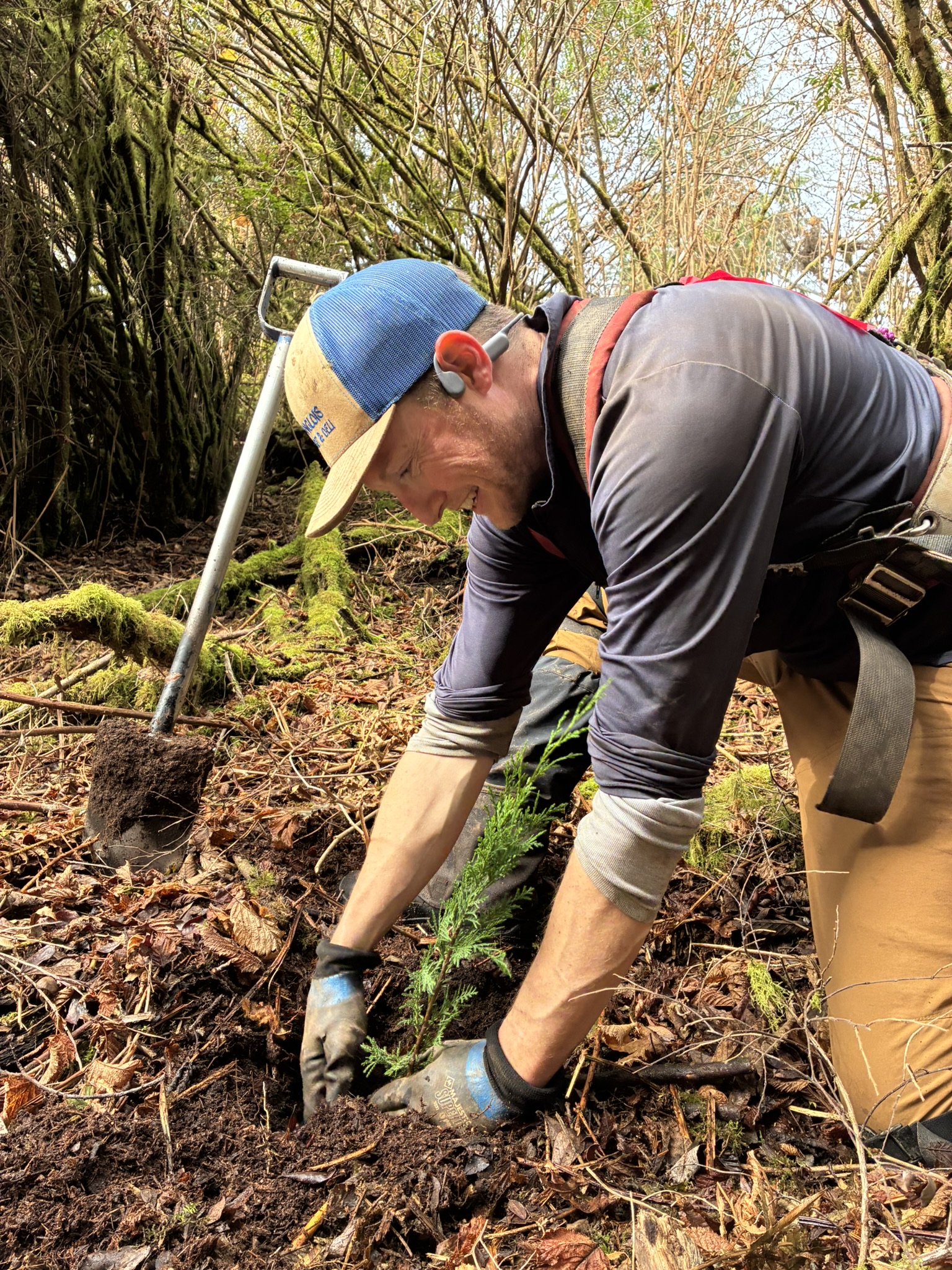
The project involves restoring native forests along Oregon’s southern coast by planting a diverse mix of trees and shrubs in riparian and upland areas. Key objectives include improving wildlife habitat, enhancing water quality, reducing erosion and flooding, and mitigating wildfire risk. This effort also includes clearing invasive species like gorse, planting approximately 40,000 native trees and shrubs, and providing training for volunteers and resource workers. The project supports local ecosystems and economies by creating jobs and improving conditions for fishing, recreation, and tourism.
 

The Result

The anticipated outcomes of the project are the establishment of healthy, self-sustaining forests resilient to pests, disease, and climate change impacts. It aims to enhance fish and wildlife habitats, improve water quality, reduce wildfire risk, and strengthen local economies through job creation and enhanced tourism opportunities. The project also aims to increase community awareness and engagement in natural resource stewardship, ultimately contributing to the ecological and economic resilience of the region.
===========================================================================================================================

The Need in 2024

This initiative is part of a larger effort to replant 2 million trees in Colorado, which were lost during recent fires (2018-2021). This marks the largest conservation-based reforestation effort in Colorado’s history. The state has faced three of its largest fires in the past four years, resulting in over 200,000 hectares of loss. Issues such as high stand densities, fuel-loading from severe pine tree mortality due to bark beetles, and extremely arid conditions have exacerbated the situation.

The Project We Fund

The objective of the Post-fire Reforestation project is to restore areas affected by the historic Spring Creek Fire. Targeted areas have low potential for natural regeneration, and the planted trees will provide much-needed relief. This restoration aims to mitigate tree loss, conserve biodiversity, and reduce carbon loss in trees and soil.

The Result

Once trees are planted, One Tree Planted requires 3 years of active care and 5 years of monitoring. Their experts track tree survivability and make adjustments for higher-risk areas. Utilizing GIS, drones, and satellite imagery as their foundation for monitoring impact, they continually incorporate new technologies to enhance their results.

Reforestation not only contributes to ecological restoration but also offers community benefits, including improving health, supporting indigenous project ownership, and encouraging sustainable income generation. Restoring these areas will help mitigate massive erosion in forest and riparian zones caused by the fires.

2025 Annual Report

The project has utilized grant funds to plant 43,000 trees, directly benefiting a network of over 500 private landowners and 3 Apache-owned nurseries. The project focuses on land restoration and tree-planting activities.


Read the Latest Blog Posts

Explore our portfolio of projects making a difference