Forest Project Days

German Association for the Protection of Forest

Think Human Fund

Mission & History
The Schutzgemeinschaft Deutscher Wald e. V. (SDW), or “German Association for the Protection of Forest,” is a nonprofit environmental organization founded in 1947, dedicated to forest conservation and sustainable management in Germany. It aims to raise public awareness of the importance of forests and protect biodiversity, playing a key role in the country’s forestry policy and environmental education.
 
The SDW is structured as a decentralized organization with local chapters across Germany. Its key components include the General Assembly, the highest decision-making body that elects the Board of Directors, and oversees organizational strategy. The Board manages day-to-day operations, while the Scientific Advisory Council provides expert guidance. Local chapters address regional environmental issues, enhancing community engagement. The Executive Director and staff handle administrative functions, and the youth division, Deutsche Waldjugend, fosters conservation awareness among young people. The SDW funds its work through membership fees, donations, grants, and fundraising campaigns.
 
They are a community of dedicated forest conservationists preserving forest beauty and health through: conservation, ecological functions, community engagement, environmental education, discussion, volunteering, mediation, and the people-nature connection.
 

Country Information

Germany, an industrialized European nation, has approximately 34% forest cover. Recent years have seen over 600,000 hectares of forest loss and around 80% of forests showing reduced vitality, underscoring the urgent need to adapt forests to climate change. Forests, especially those in urban areas, provide vital ecosystem services such as flood prevention, cooling, air filtration, carbon sequestration, recreation, education, and habitat. However, these services are at risk when forests are unhealthy or degraded.
 
The Rhein-Ruhr metropolitan region, one of Europe’s most densely populated areas, has about 10.1 million residents and the highest GDP in Germany. It includes economically challenged cities like Gelsenkirchen and Duisburg, which have significant populations reliant on social security and a large immigrant community. Approximately 20% of residents in the region are from migrant backgrounds, making it socially and ethnically diverse. Climate change has severely impacted local forests, leading to dieback and necessitating the planting of native, site-adapted tree species. This transformation into climate-resilient forests will be a multi-generational endeavor.

The Need in 2026

The Forest Project Days will engage middle school students in Germany to connect with and protect their local forests. The initiative includes planting 1,000 climate-resilient trees in 3 schools, amounting to 3,000 trees annually, following a strict planting code to ensure quality and sustainability. 

The Project We Fund

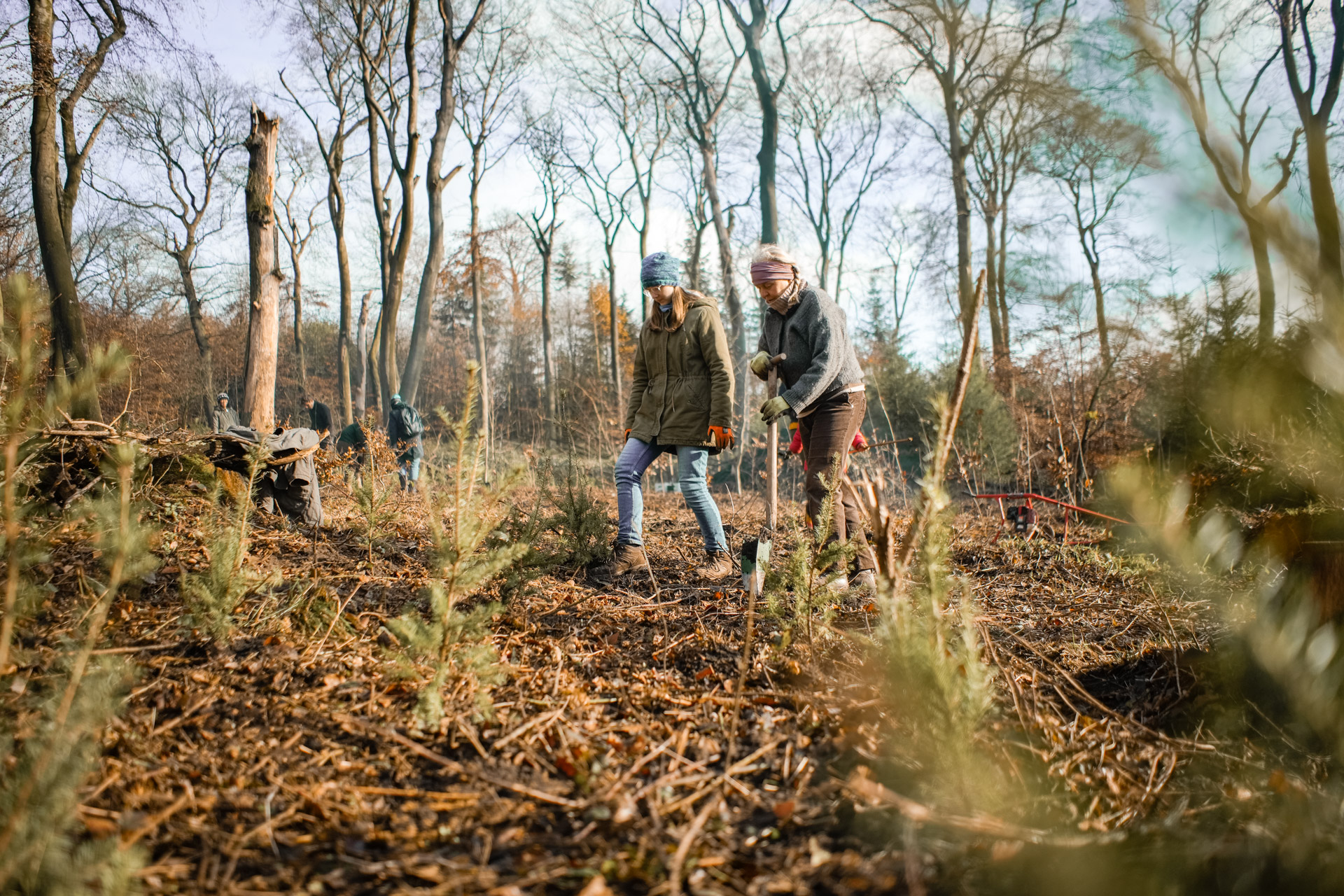
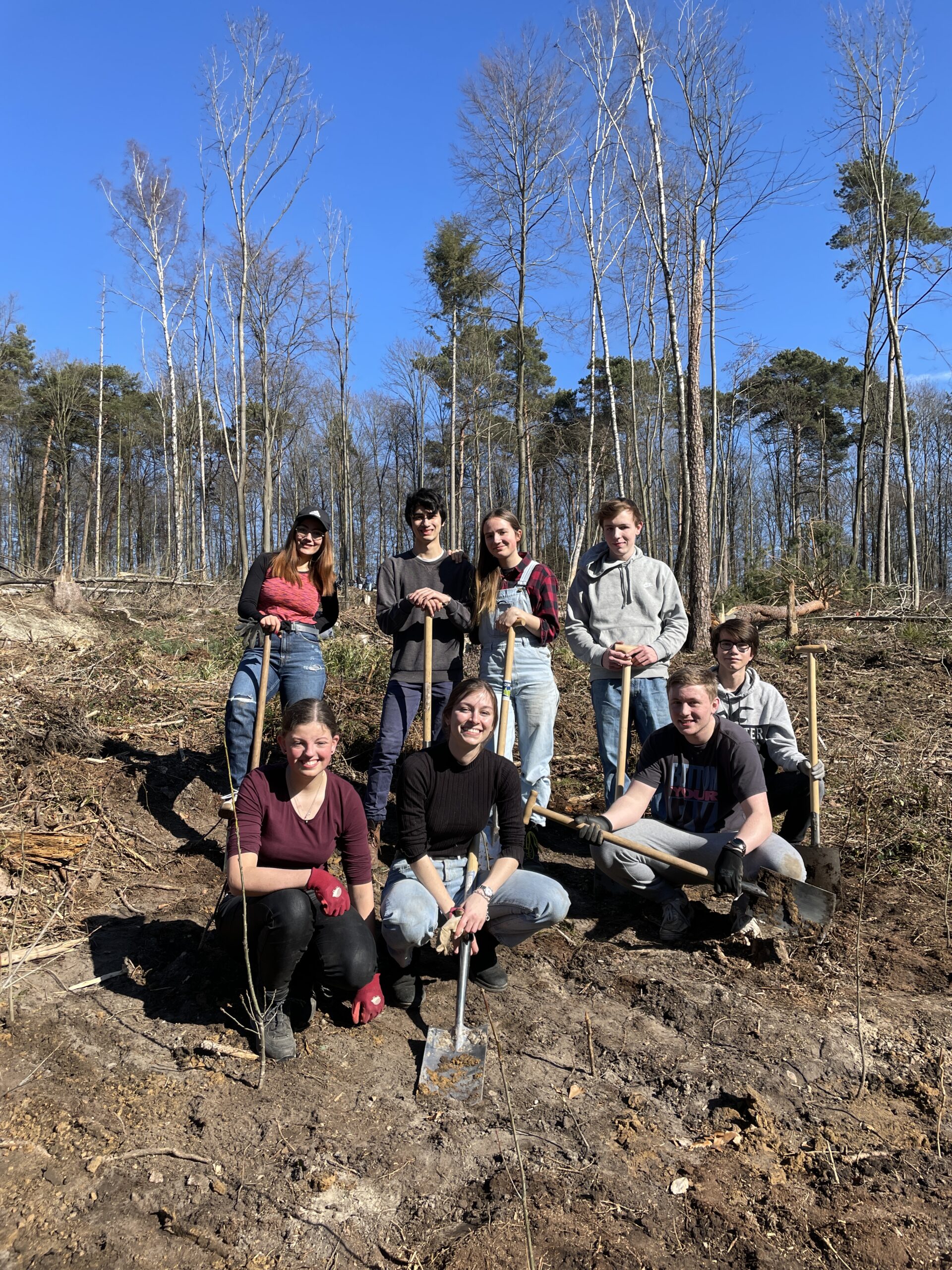
Forest Project Days is an educational initiative that connects middle school students with their local forest ecosystems and promotes forest protection in Germany. This project aims to inspire and empower young adults to safeguard their forests while aiding in the planting of climate-resilient species in urban areas. Projects will adhere to our tree planting standards, ensuring quality with site-adapted species, native deciduous trees, and proper forest care. Corporate volunteers from Concentrix can join these trees planting events alongside students and the SDW team.

The Result

In collaboration with the University of Dresden, they have created a self-evaluation survey to assess participants’ understanding and appreciation of forest ecosystems, sustainable management, and forest protection before and after the project. Additionally, they will debrief participating teachers and systematically gather their feedback.
 
Ecological Component: As part of their tree planting program’s monitoring efforts, they will conduct site visits to document planting progress in subsequent years. Using empirical forest inventory methods, they’ll assess the vitality and failure rates of the projects, implementing supplemental plantings if the failure rate exceeds the critical threshold of 20%.

============================================================================================================================

The Need in 2025

The Forest Project Days will engage middle school students in Germany to connect with and protect their local forests. The initiative includes planting 1,000 climate-resilient trees in 3 schools, amounting to 3,000 trees annually, following a strict planting code to ensure quality and sustainability. 

The Project We Fund

Forest Project Days is an educational initiative that connects middle school students with their local forest ecosystems and promotes forest protection in Germany. This project aims to inspire and empower young adults to safeguard their forests while aiding in the planting of climate-resilient species in urban areas. Over three years, the SDW will collaborate with nine schools, planting a total of 9,000 trees (approximately 3 hectares). Projects will adhere to our tree planting standards, ensuring quality with site-adapted species, native deciduous trees, and proper forest care. Corporate volunteers from Concentrix can join these trees planting events alongside students and the SDW team.

The Result

In collaboration with the University of Dresden, they have created a self-evaluation survey to assess participants’ understanding and appreciation of forest ecosystems, sustainable management, and forest protection before and after the project. Additionally, they will debrief participating teachers and systematically gather their feedback.
Ecological Component: As part of their tree planting program’s monitoring efforts, they will conduct site visits to document planting progress in subsequent years. Using empirical forest inventory methods, they’ll assess the vitality and failure rates of the projects, implementing supplemental plantings if the failure rate exceeds the critical threshold of 20%.

2025 Annual Report

This initiative aims not only to inculcate a sense of responsibility for our precious forests but also to contribute significantly to planting climate-resilient species in urban spaces. Focused on bridging the gap between climate anxiety and tangible actions, the project has empowered students to be active environmental stewards. With direct participation from 142 individuals, including students and volunteers, we’ve embarked on a successful journey of environmental restoration by planting 2,000 trees across two key municipal forests.
 
Through these actions, young minds have transitioned from passive observers to active protectors, realizing their capacity to induce lasting positive change. The collaboration has not only borne fruit through greening exercises but has strengthened ties with local educational and municipal entities.

Testimonies

“Over 300 young yew trees were planted. This species is robust. Trees like these improve the urban climate and will enrich the castle park for many decades to come! Essen was named European Green Capital in 2017. Projects like this enable young people to actively contribute to preserving our green spaces. I was very happy to take part in the tree planting campaign and thanked the fifth and sixth graders for their commitment.” Mayor of Essen, Thomas Kufen (1,000 trees were planted in total, only 300 on the day of the event)-

“It was so much better than sitting in a classroom! I really enjoyed spending the whole morning outside in the woods with my friends. It felt great to stop just talking about the environment and actually do something positive for nature with my own hands.”                                      -6th grade student of Realschule am Schlosspark Borbeck-

Read the Latest Blog Posts

Explore our portfolio of projects making a difference