Rotary Club Le Belvedere
Think Human Fund
Mission & History
The mission of Rotary International, the worldwide association of Rotary clubs, is to serve others, promote high ethical standards, and foster international understanding, goodwill, and peace through its network of community, civic, and professional leaders
Country Information
The Need
In Northern Africa, water is an extremely precious resource and there is an urgent issue of water scarcity in the mountainous regions of the country. Local schools face significant challenges related to inadequate drinking water and poor storage conditions. The lack of access to hygienic water has directly impacted student attendance, resulting in many girls leaving school due to cleanliness concerns, as they are often unable to use the limited water supplies available.
The Project We Fund
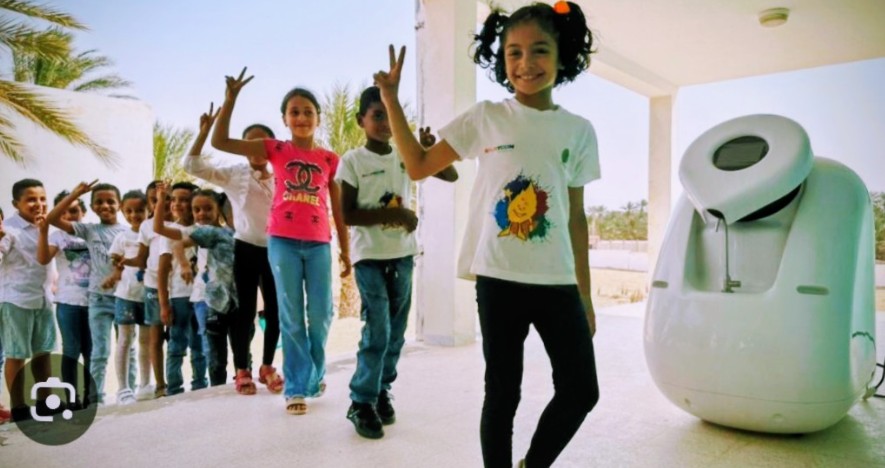
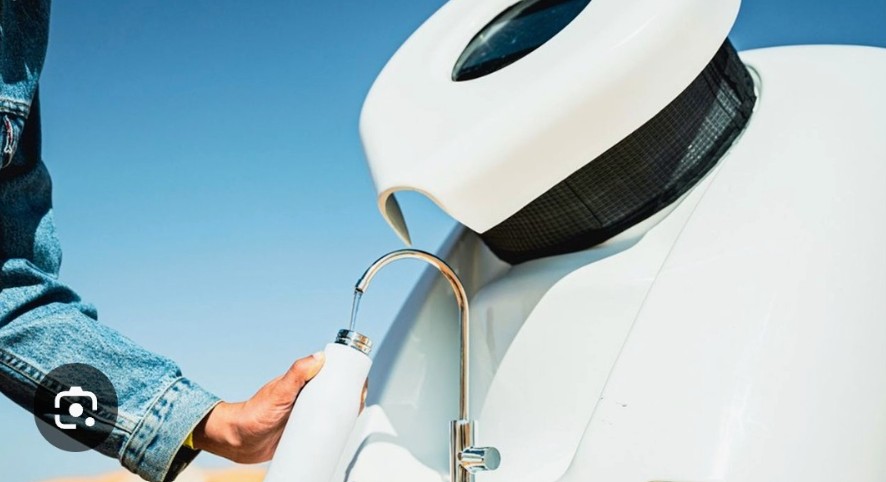
This project aims to provide water independence to 340 beneficiaries through KUMULUS technology, which generates safe, sustainable drinking water from air—improving school attendance, reducing plastic use, and strengthening climate resilience by ensuring reliable access to clean water.
The Result
The project monitors impact through comprehensive tracking across four areas: water access and climate resilience (including water quality testing, production data, energy use, and plastic reduction), education outcomes (such as attendance, dropout rates, and student well-being), community engagement (via workshops, participation, and behavior change feedback), and structured reporting through baseline, installation, testing, and annual ESG reports to measure progress and inform continuous improvement.
2025 Annual Report
The project directly benefited 125 individuals, primarily students, by providing them access to safe drinking water, significantly reducing waterborne diseases, and enhancing school attendance and concentration.
Testimonies
“Walking 10 km to school was very hard, but the worst part was worrying about water. Often, I didn’t have enough fresh water and felt tired. Since we got the Kumulus machine, I have cool, clean water here every day. I am better hydrated, I can concentrate on my lessons and I’m not no longer afraid of getting sick. The water has changed my day. Now my life.” -Samir, 9 yo-
“My father leaves for work very early and takes me with other students from our village, even when my Wednesday class doesn’t start until 2 p.m. We live far away and it’s safer to leave together. Before, I was worried about running out of water during the long waiting hours, or that the water I had would become undrinkable. I was always sick and absent from school. Thanks to the kumulus machine, I have a guaranteed source of fresh water from 7 a.m until classes end. I can study without worryning about being thirsty or my health, and stay focused for being top of my class.” -Salma, 10 yo-
“The presence of the kumulus machine has transformed our daily routine. Before, managing headaches related to dehydration or absences
due to the contaminated water took up our time. Today, fresh, safe water is always available. This results in better energy and concentration among the students, especially in the afternoon. For the staff, it’s a huge source of logistical peace of mind. We can focus 100% on teaching, without worrying about the water supply.” -Hayet, teacher –