Fostering Education and Environment for Development, Inc.
Think Human Fund
Mission & History
Fostering Education & Environment for Development, Inc. (FEED) is a non-stock, non-profit organization founded in 2011 with the mission to preserve and rehabilitate the environment while supporting education. The goal is to restore, preserve, and protect Philippine biodiversity by focusing on reforestation, conservation of endemic and endangered tree species, and the development of social forestry and livelihood opportunities. By offering scholarship support for higher education in fields like agriculture and environmental science, FEED aims to produce high-quality professionals dedicated to environmental conservation and development.
Country Information
The Philippines, an archipelago with rich biodiversity, faces significant environmental challenges due to logging, mining, and agricultural expansion. Forest cover has drastically decreased from 70% in the early 1900s to around 23% today. This deforestation leads to soil erosion, landslides, and habitat loss, affecting millions who rely on agriculture. The country’s natural resources are further threatened by unsustainable farming practices, soil degradation, and climate change, which exacerbates productivity losses in vulnerable regions.
The Need
The pressing need in the Philippines stems from severe environmental degradation and the socioeconomic vulnerabilities of communities dependent on agriculture. Approximately 25 million people engage in farming, many practicing unsustainable methods due to limited access to land and resources. The resulting environmental issues include soil erosion, water pollution from agrochemicals, and reduced agricultural productivity due to climate change impacts, which necessitate urgent intervention to preserve natural resources and bolster community resilience.
The Project We Fund
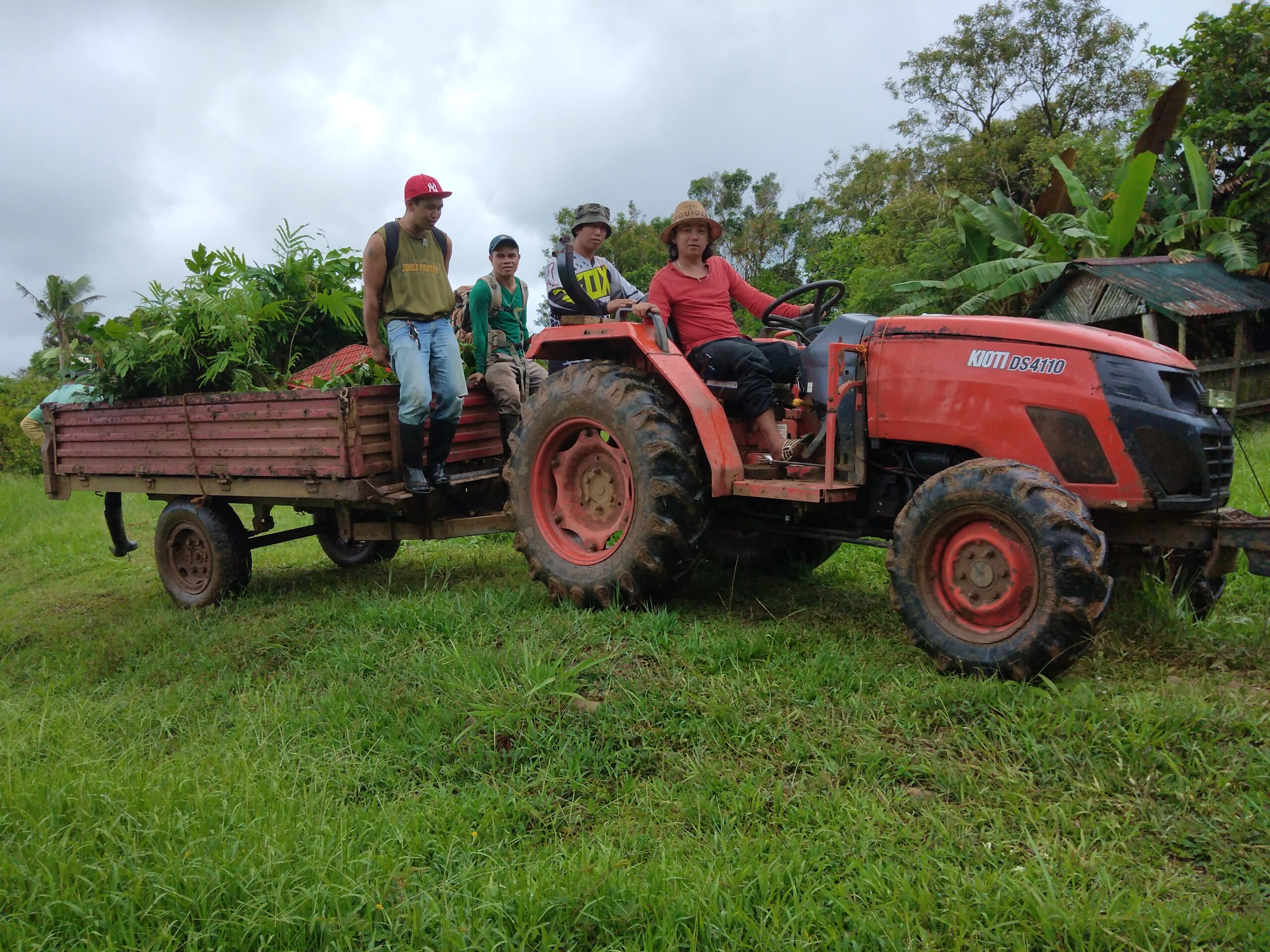
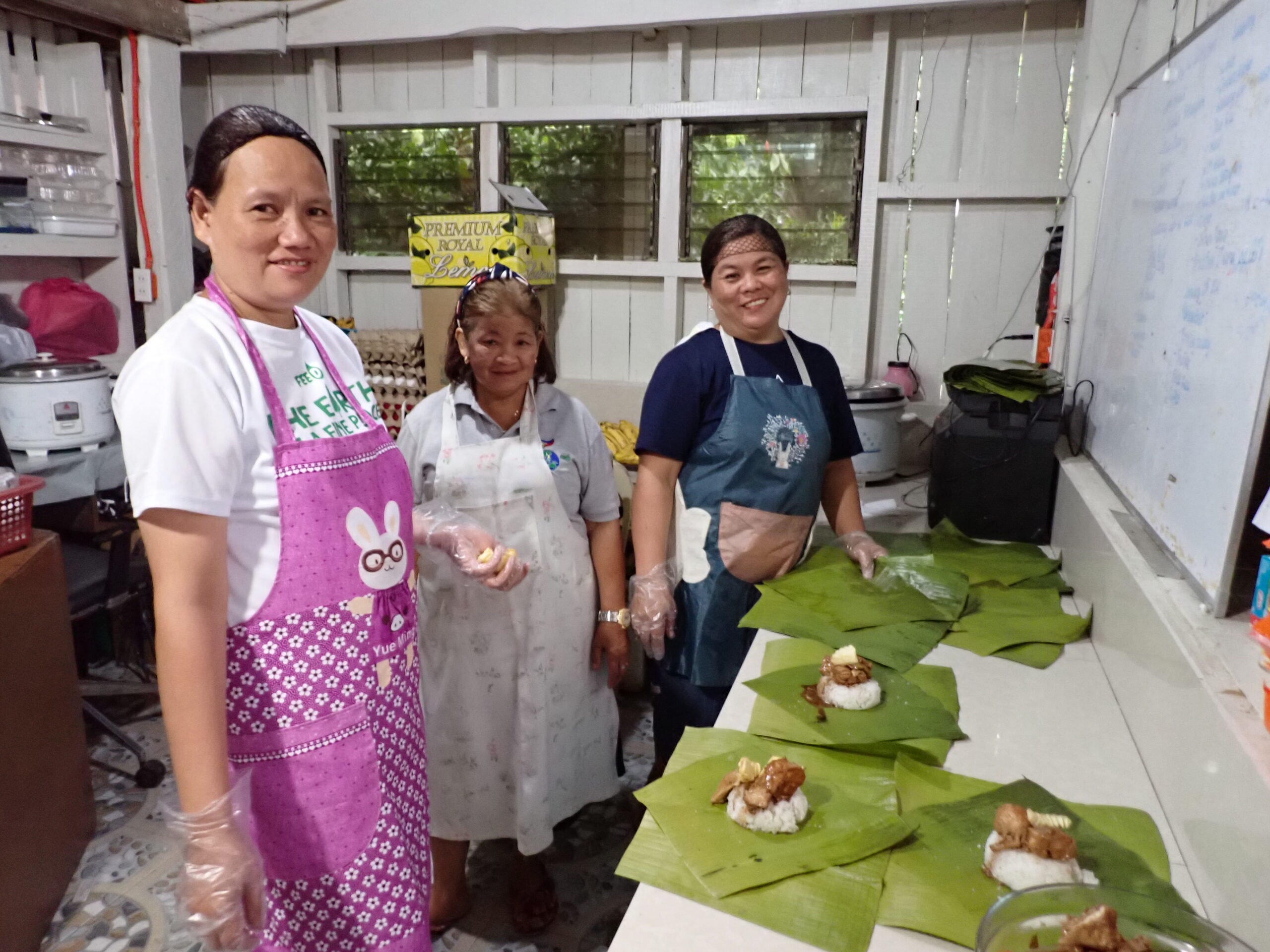
FEED focuses on projects like the Community-led Food Forest in the Uplands and Agroforestry Livelihood Programs. These initiatives promote sustainable forestry, biodiversity conservation, and ecotourism development. By training local communities in skills such as permaculture and horticulture, FEED aims to create self-sustaining livelihoods that enhance food security, reduce carbon footprints, and improve the socio-economic status of marginalized groups. These projects are designed to be scalable and replicable, ensuring long-term sustainability and community empowerment.
The Result
The endeavors led by FEED have yielded significant results, including the establishment of sustainable practices and improved livelihoods in participating communities. With initiatives like ridge-to-reef reforestation and food forests, communities have seen an increase in biodiversity conservation and alternative livelihood opportunities. The projects not only enhance environmental resilience but also uplift local economies by creating jobs and fostering educational growth. This holistic approach ensures that environmental sustainability and economic development go hand-in-hand, benefiting both direct and indirect beneficiaries.