Fundación CoimpactoB
Think Human Fund
Mission & History
Founded in 2015, CoImpactoB has spent over a decade working alongside vulnerable communities across Colombia. It has implemented more than 25 projects, supported 140 communities in 14 departments, and impacted over 10,000 people. Its work spans aquaponics and food sovereignty, education and digital inclusion, and community tourism, supported by a network of national and international partners.
Country Information
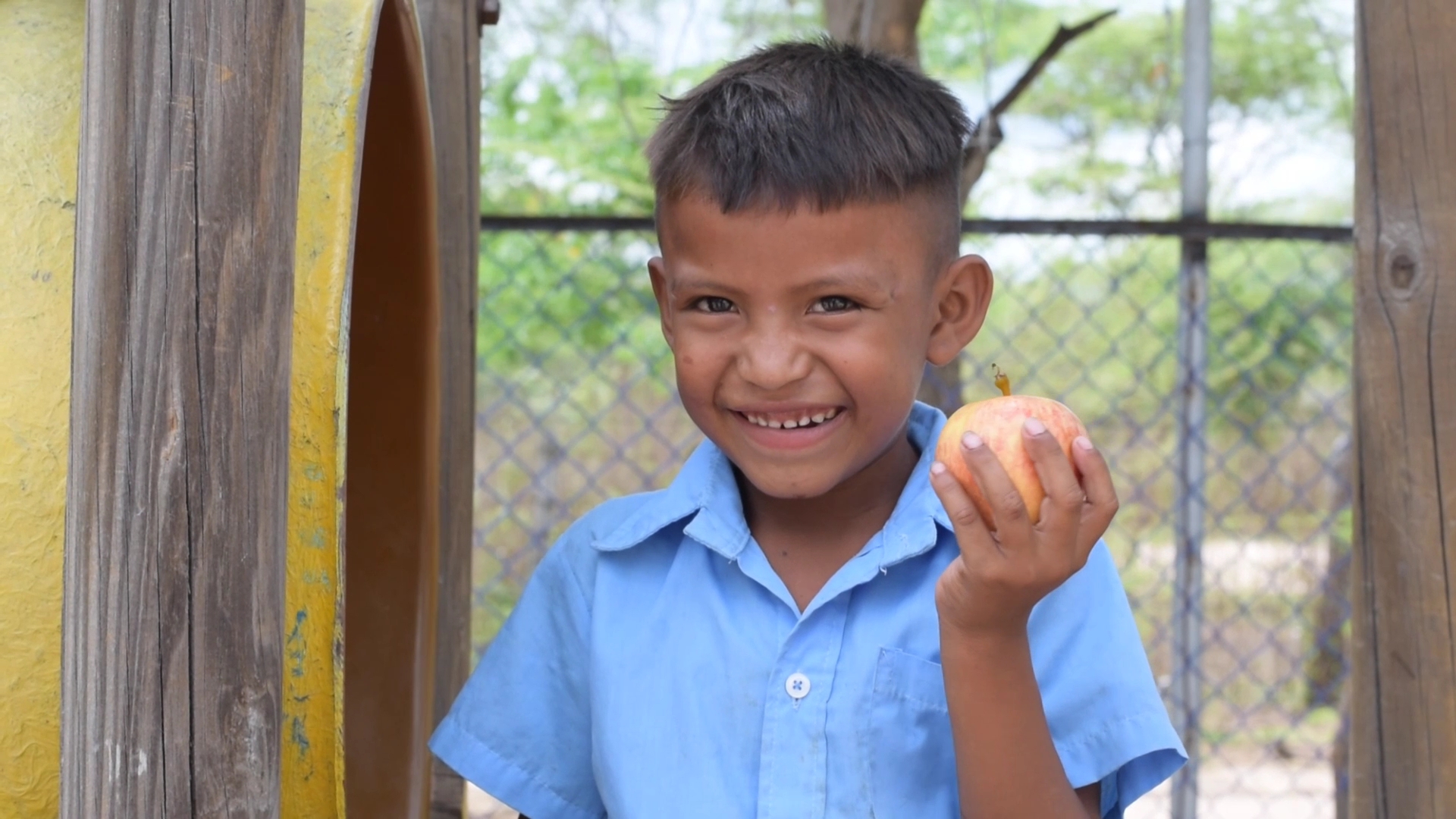
Colombia, despite its rich biodiversity, faces severe inequality in rural and indigenous areas. In La Guajira, over half of households experience food insecurity, alongside extreme water scarcity, with 43% of the population lacking reliable access to safe water and sanitation.
Poverty levels are critically high, and limited access to digital tools and financial education further restricts opportunities for young people. These conditions highlight the urgent need for integrated solutions that combine food production, water access, education, and digital inclusion to support sustainable livelihoods.
The Need
To address severe water scarcity, food insecurity, and poverty in La Guajira, where 43% of the population lacks safe drinking water, 52% of families face food insecurity, and most households in Itsashimana have no reliable water access. These challenges are compounded by limited digital and financial inclusion, leaving young people with few opportunities to build sustainable livelihoods.
The Project We Fund
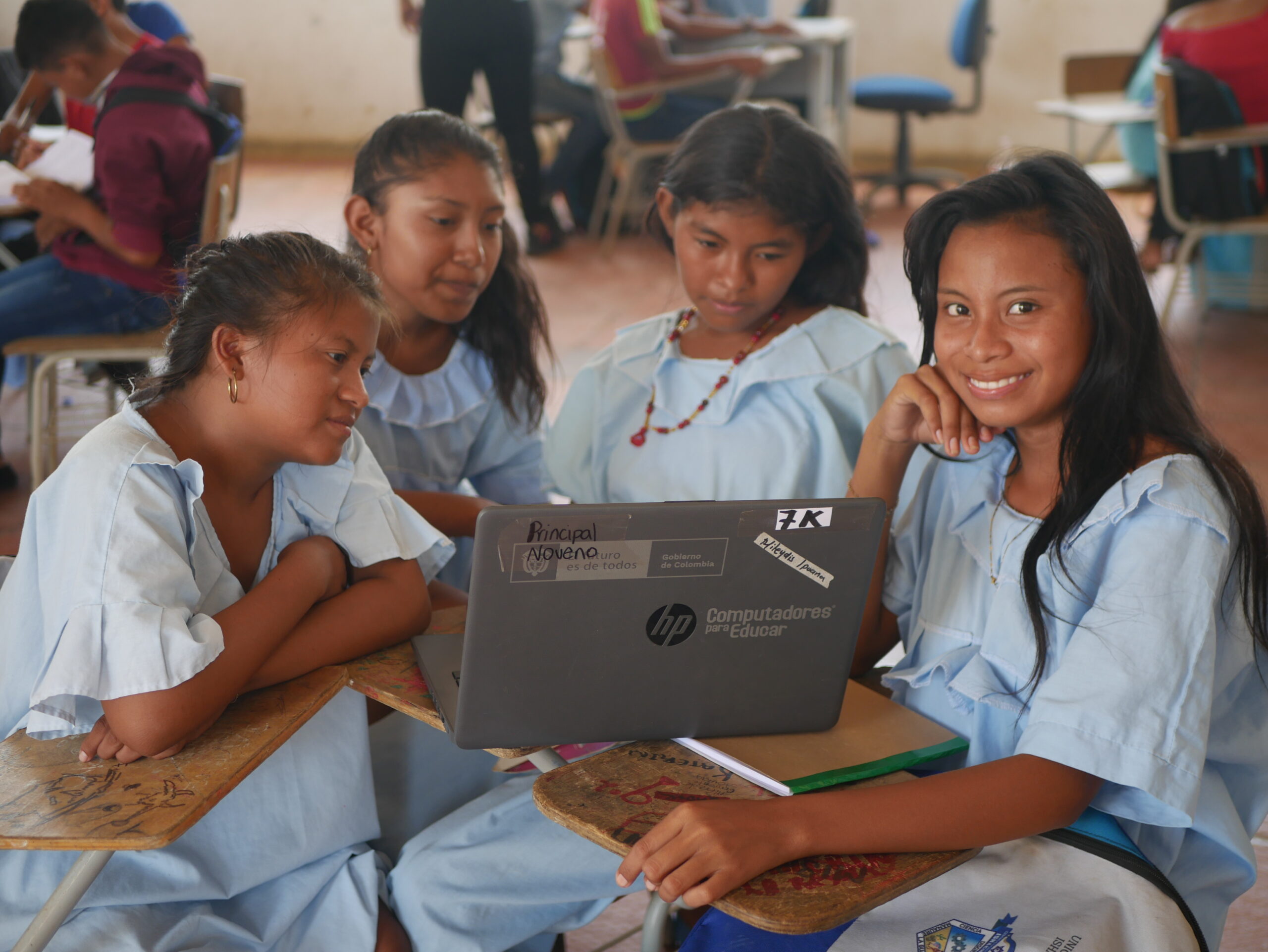
The project builds a 60 m² community aquaponic farm at an indigenous school in La Guajira, providing a sustainable system that produces food while saving water. It trains 200 youth and teachers in aquaponics, digital skills, financial education, and entrepreneurship—creating pathways for income generation and community replication.
Volunteer game-changers can support training sessions, contribute to environmental and educational activities (virtually or on-site), and engage with the community to strengthen skills development and sustainable practices.
The Result
The project’s expected results focus on measurable improvements in skills, food production, and community resilience among 205 direct beneficiaries, including 200 students and 5 teachers. Impact is tracked through a structured monitoring system combining digital tools, quantitative outputs (such as food production and water savings), and qualitative assessments of skills in aquaponics, financial literacy, and digital competencies. Regular evaluations, community feedback, and in-person monitoring ensure accountability and continuous improvement.
Overall, the project aims to deliver sustained gains in knowledge, food access, and economic capacity for participating youth and their community.