Next Step Transitions CIC
Think Human Fund
Mission & History
Founded in 2021, Next Step Transitions CIC was established to address gaps in support for young autistic individuals transitioning to further education, training, or employment. With a specific focus on Northern Ireland, where autism prevalence is notably high, the organization provides tailored support and has expanded to meet increasing demand. Collaborating with families, schools, and businesses, Next Step Transitions CIC aims to enhance outcomes for autistic individuals.
Next Step Transitions CIC is dedicated to ensuring smooth transitions for autistic children into education, training, or employment by providing personalized support. The organization’s goal is to help autistic individuals reach their full potential and contribute to society through customized services, advocacy, and collaboration with families, institutions, and employers. By using models like PACTS, Next Step Transitions works to improve educational and employment outcomes, reduce dropout rates, and enhance overall wellbeing.
Country Information
In Northern Ireland, the prevalence of autism is significantly higher than in the rest of the UK and Ireland—1 in 20 compared to 1 in 100 in England and 1 in 65 in Ireland. This high prevalence impacts individuals’ futures and the broader economy. Autistic individuals face substantial employment challenges, with only 21% in full-time jobs, which affects their mental health and contributes to the highest suicide rates among minority groups. Many young autistic individuals struggle with unmet potential, making support crucial for improving their employment prospects and addressing these negative statistics.
The Need in 2026
The Project We Fund
The Result
The Need in 2024
Young autistic people and their families face well-documented challenges during transitions to higher education, training, or employment. Current support is inadequate, with each autistic person experiencing unique barriers such as anxiety, sensory sensitivities, and rigid routines. These challenges are often not addressed by a one-size-fits-all approach, leading to high dropout rates, loss of confidence, and missed opportunities. Inadequate support can exacerbate mental health issues and increase suicide rates. The lack of understanding that autism is a spectrum contributes to inconsistent treatment and stigma, causing many young autistic people to withdraw rather than seek the help they need.
The Project We Fund
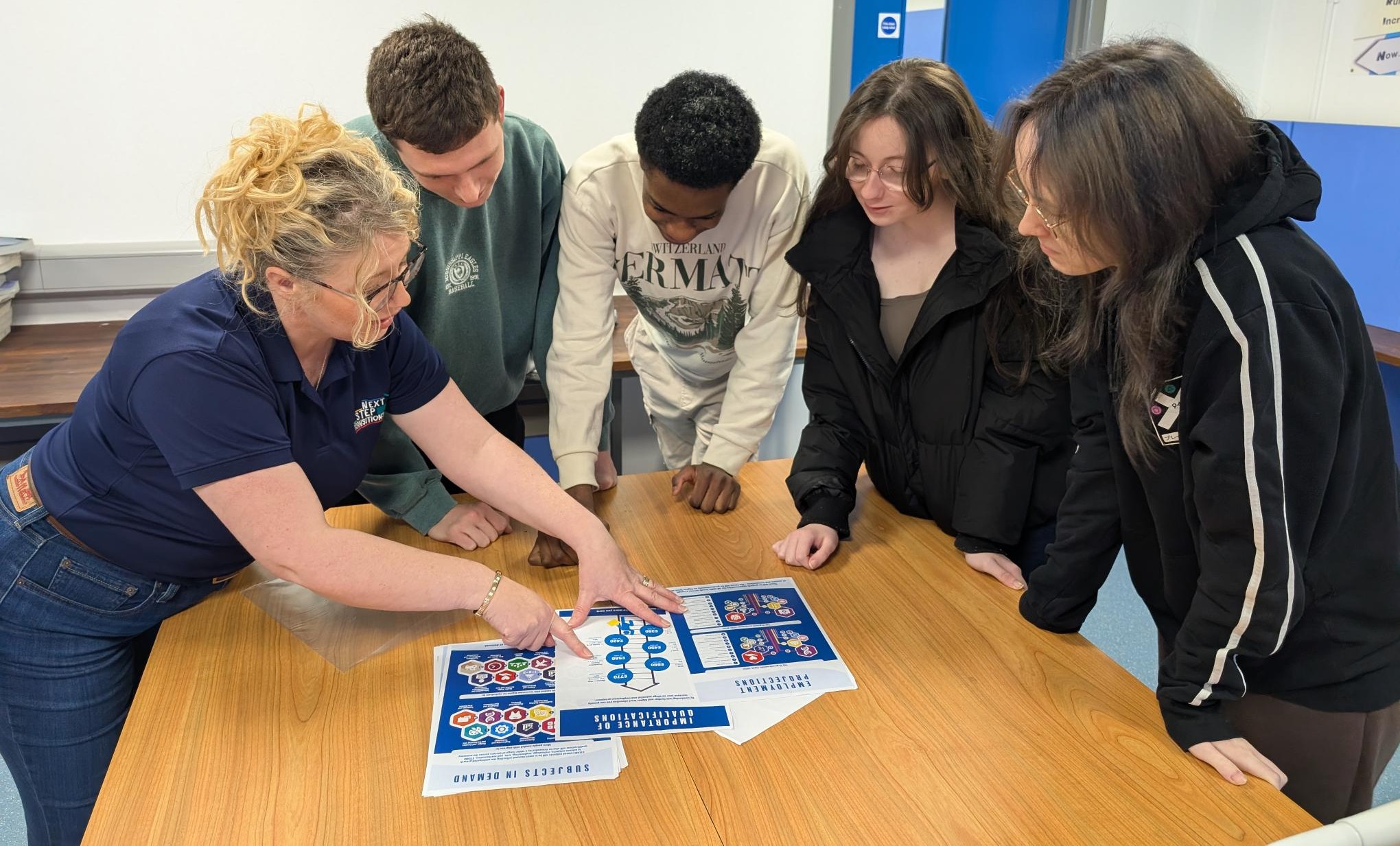
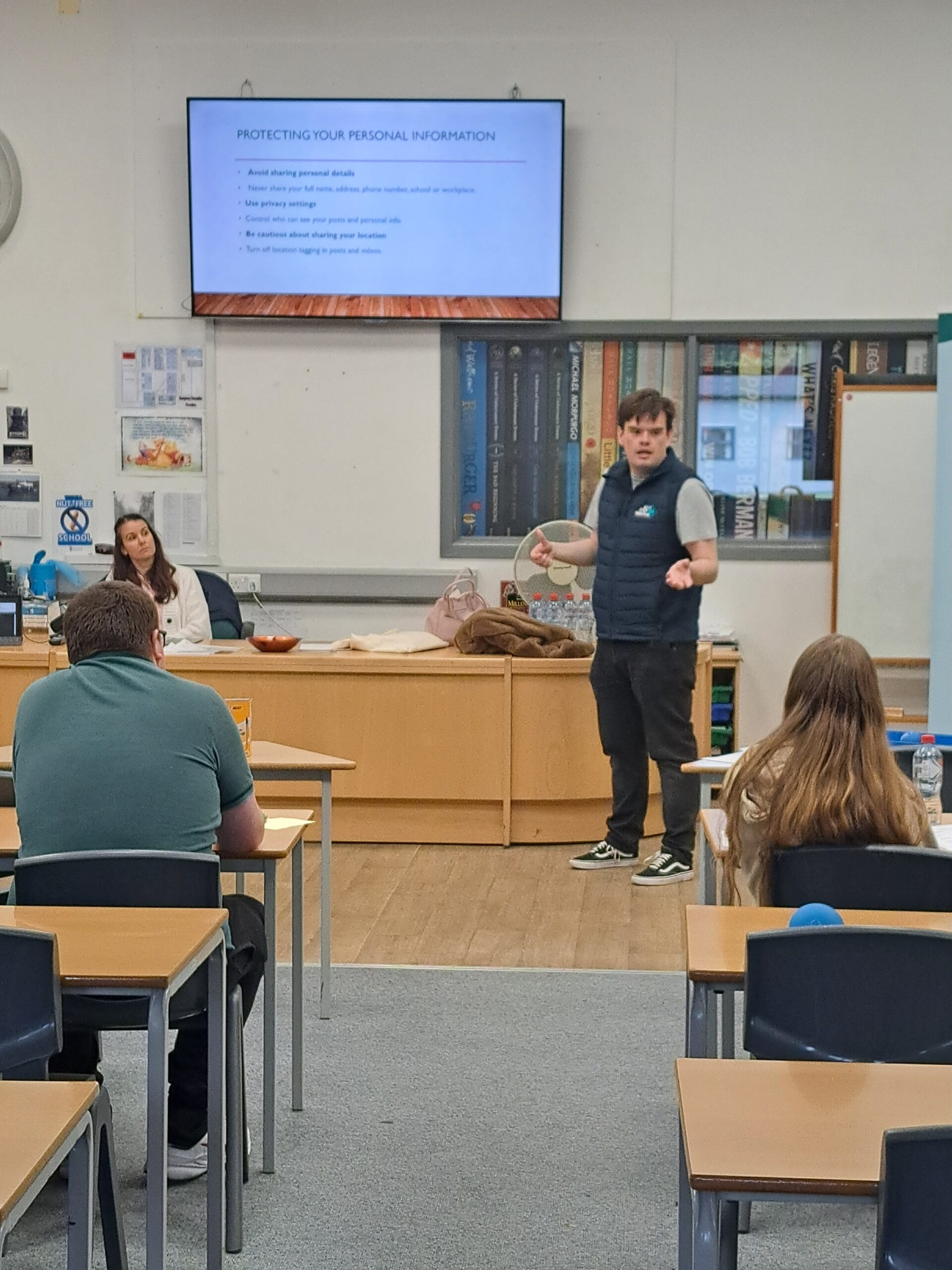
Next Step Transitions provides comprehensive support to help autistic children transition smoothly to education, training, or employment. Key components of the project include personalized transition support by tailored assistance to meet individual needs. Workshops through life skills covering topics like cooking and money management. Wellbeing sessions and counseling by supporting to enhance mental wellbeing.
Business collaboration by partnering with businesses to offer diverse hiring opportunities and work experience.
The organization utilizes the PACTS (Parents and Carers as Transition Support) model to reduce dropout rates, improve job outcomes, and enhance mental wellbeing.
The Result
Impact is assessed through multiple methods. Evaluations by participants completing evaluations after workshops and at program completion. Communication by regular check-ins with participants and their parents/carers to ensure the program meets their needs.
Testimonials by feedback from parents, carers, and schools about the program’s impact. Annual follow-ups by ongoing assessments with past participants to track progress and current status.
2025 Annual Report
Testimonies
2025 Midterm Report
Next Step Transitions CIC project outlines significant impacts and achievements. The program has directly benefited 50 individuals, and indirectly aided 100 more, including students receiving transition support and their parents who have found reduced anxiety through guidance. The gender breakdown of direct beneficiaries includes 20 females and 30 males, primarily aged between 13-18.
The project has successfully implemented one-on-one and workshop-based support for youths transitioning to further education or employment. An additional initiative for primary school transitions was introduced, impacting several 11-year-olds moving to secondary school.
Testimonies reveal profound personal impacts, such as families finding invaluable support in transition processes and individuals, including those with autism, successfully shifting to desired educational paths. Moreover, beneficiaries have shown improved skills in stress management, resilience, and self-awareness.
Testimonies
“We can’t thank Next Step Transitions enough, as a family they have been so dedicated to helping us as well as my son explore his options and make the transition to College. You will never know what you have done for us as a family. Nothing was ever to much trouble, you made us feel we had so much support and help with you, we really don’t know how to thank you. Next Step Transitions is a great organization with wonderful people.”
“My autistic daughter had to change university courses and go through clearing late on in the process and this seemed like an impossible task, but Next Step Transitions came to the rescue and kept us right. I only wish that every Grammar/Secondary school in NI were aware of such an informative service and were able to make parents aware of their existence. I highly recommend this service to all schools, parents, carers and most importantly the young person needs their assistance.”
“As a mother of an autistic son with extreme anxiety who rarely left his house and had no friends! I cannot express how grateful we are to Next Step Transitions for their outstanding support through our next chapter in life. They helped so much and advocated on our behalf helping my son secure a place in Vocational training and made sure he had the support that he needed.”
The Need
The deficiency of environmental education for young people in regions like the Seoul metropolitan area, where there are high levels of air pollution and energy consumption. Despite these challenges, students have limited exposure to climate education. This lack of education jeopardizes youths’ health, awareness, and capacity to address the climate crisis effectively.
The Project We Fund
The project targets the critical need for climate and energy education among youth in high-risk areas such as the Seoul metropolitan region, where energy consumption and air pollution are among the highest. It provides hands-on, Ministry-certified environmental education to middle schools, enabling students to grasp climate issues and make impactful changes in their lives. The initiative delivers a certified four-session curriculum to middle schools in Seoul, focusing on the energy and climate crisis, systems thinking through games and simulations, fine dust and energy efficiency, and sustainable lifestyles, alongside student-led actions.
Students engage in practical activities like designing eco-friendly schools, monitoring air quality, and planning actions. Trained Concentrix volunteers are mobilized as co-facilitators to assist in classroom activities and mentor students. Behavioral changes are tracked via a mobile app where students record real-life sustainable actions, such as reducing energy consumption, with monitored activities earning them points.
Additionally, the program encourages community involvement by prompting students to propose sustainability projects for their schools, such as recycling initiatives or reducing single-use items.
The Result
To track impact, first, they administer post-program surveys to students to assess their satisfaction, shifts in environmental knowledge, attitudes, and behaviors, as well as their eagerness to persist in sustainable practices. Second, during the “Eco-School Design” session, students propose tangible improvements for their schools—like recycling campaigns or school gardens—illustrating the program’s impact on their surroundings. Finally, they utilize a mobile app where students upload photos or videos of their eco-friendly activities. These actions are verified and rewarded with points, enabling us to track continuous engagement and the lasting nature of their behavioral changes.