Cite Saint-Damien de Molokai
Think Human Fund
Mission & History
Father Damien, born Joseph de Veuster in Belgium in 1840, joined the Society of the Sacred Hearts of Jesus and Mary in 1860. He volunteered to serve as a missionary in the Hawaiian Islands, arriving in 1864. In 1873, he volunteered to serve at the leper colony in Kalaupapa, Molokai, where those afflicted with leprosy were isolated. Over the next 16 years, he dedicated his life to improving the living conditions of the lepers, building houses, hospitals, and churches, and providing both spiritual and physical care12. He contracted leprosy himself in 1884 and continued his work until his death in 1889.
The mission of Cité Saint-Damien de Molokaï is inspired by Father Damien’s legacy of compassion, selflessness, and dedication to the marginalized. The community aims to continue his work by support to those in need, particularly those suffering from social exclusion. The mission emphasizes the importance of education, dignity and respect for each personn, reflecting Father Damien’s approach to serving the lepers of Molokai.
Country Information
Benin, located at the crossroads of the Abidjan-Lagos and Cotonou-Niamey corridors, is a key commercial and tourist hub in West Africa.
As of 2022, Benin’s population is 13.35 million, with a fertility rate of 5.7 children per woman and a life expectancy of 61.2 years. Poverty stands at 36.2%, down slightly from previous years, but unemployment is low at 2.4%, with 90.1% of the workforce in informal employment. The Human Development Index (HDI) ranked Benin 166th out of 191 countries in 2020, with low scores in life expectancy and education. Socio-economic shocks, including regional instability and global crises, may affect poverty reduction and increase fragility.
The Need
Children in the Agonsoudja area face limited educational resources, restricting their social and professional opportunities and lacking interdisciplinary learning. Students with speech difficulties receive no special support or screening to help them show resilience. Additionally, there are no extracurricular activities available.
Environmental awareness among adults is also very low. However, CiteSaint-Damien de Molokai have observed that children are beginning to drive changes in practices. Developing an educational garden and a profitable market-gardening business in the area could change practices and create training and job opportunities, fostering a dynamic environment that encourages other producers to follow suit.
The Project We Fund
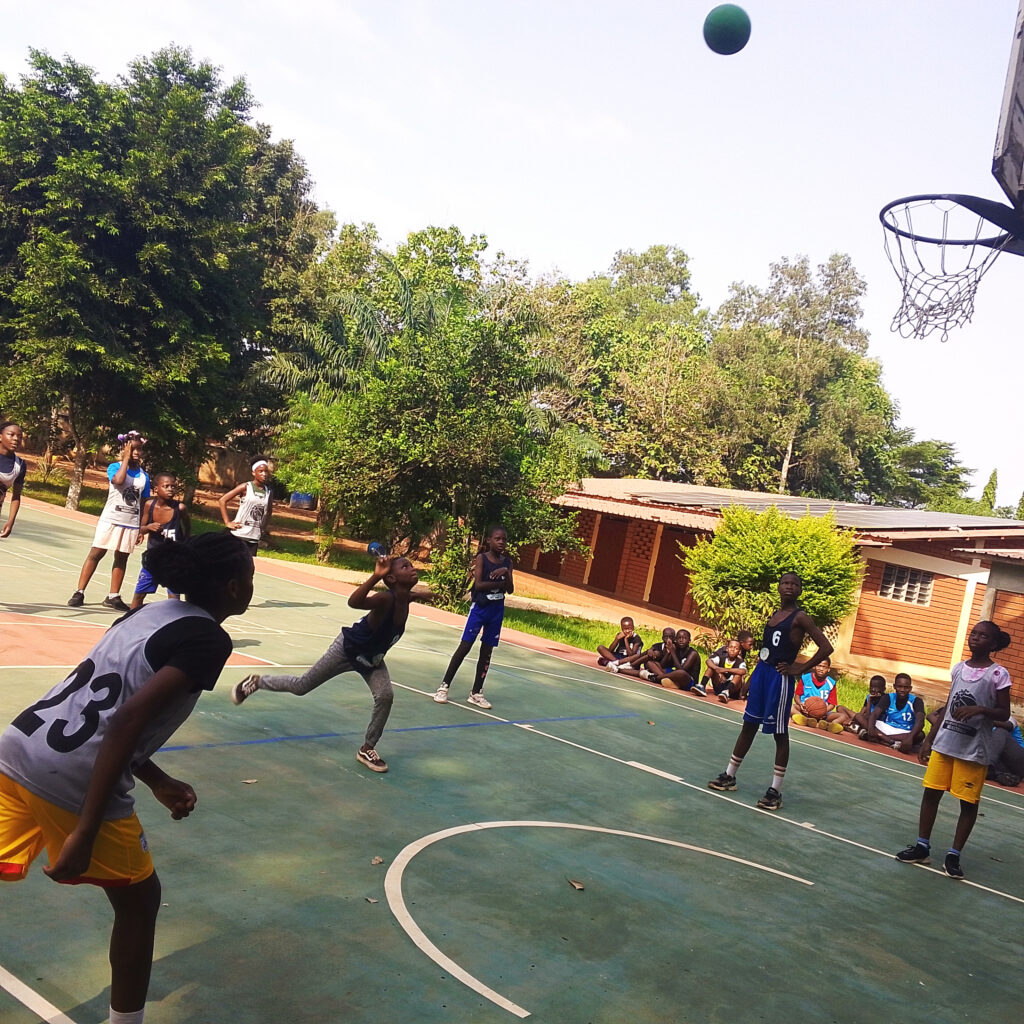
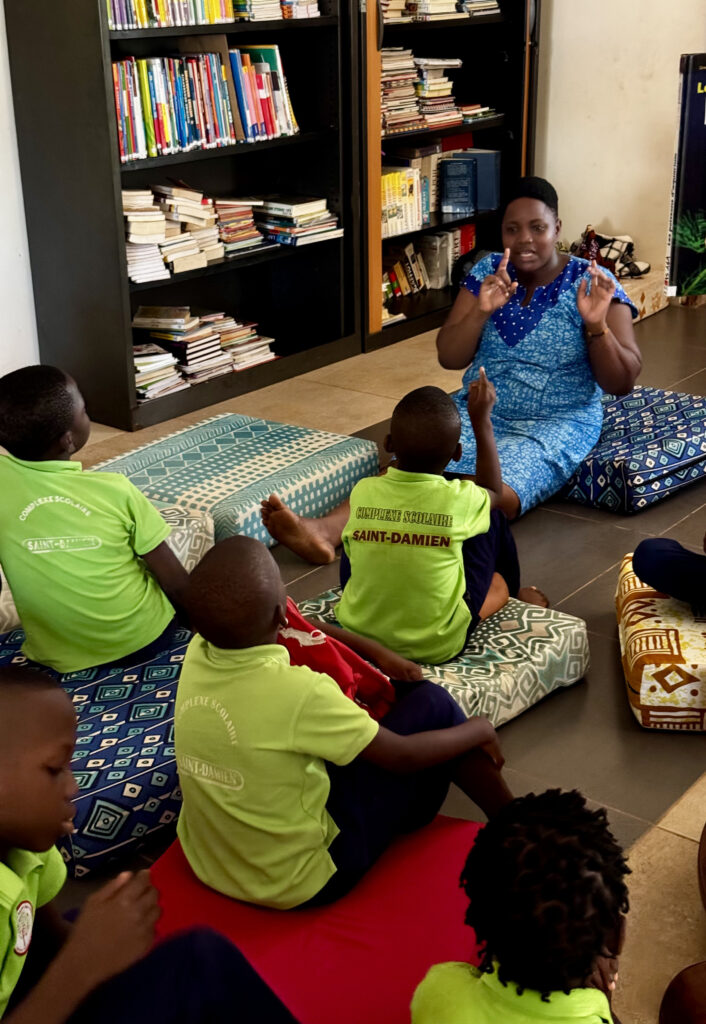
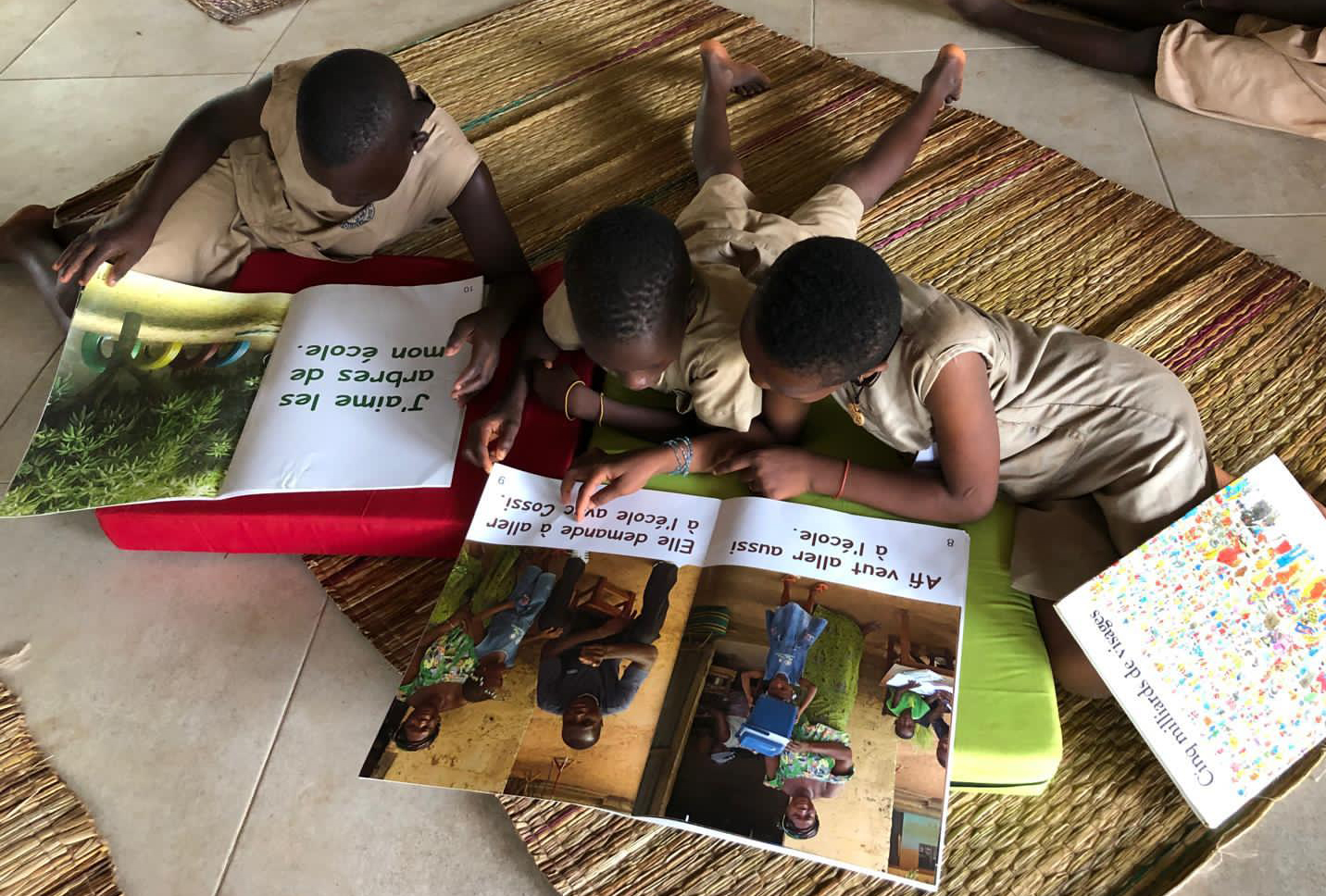
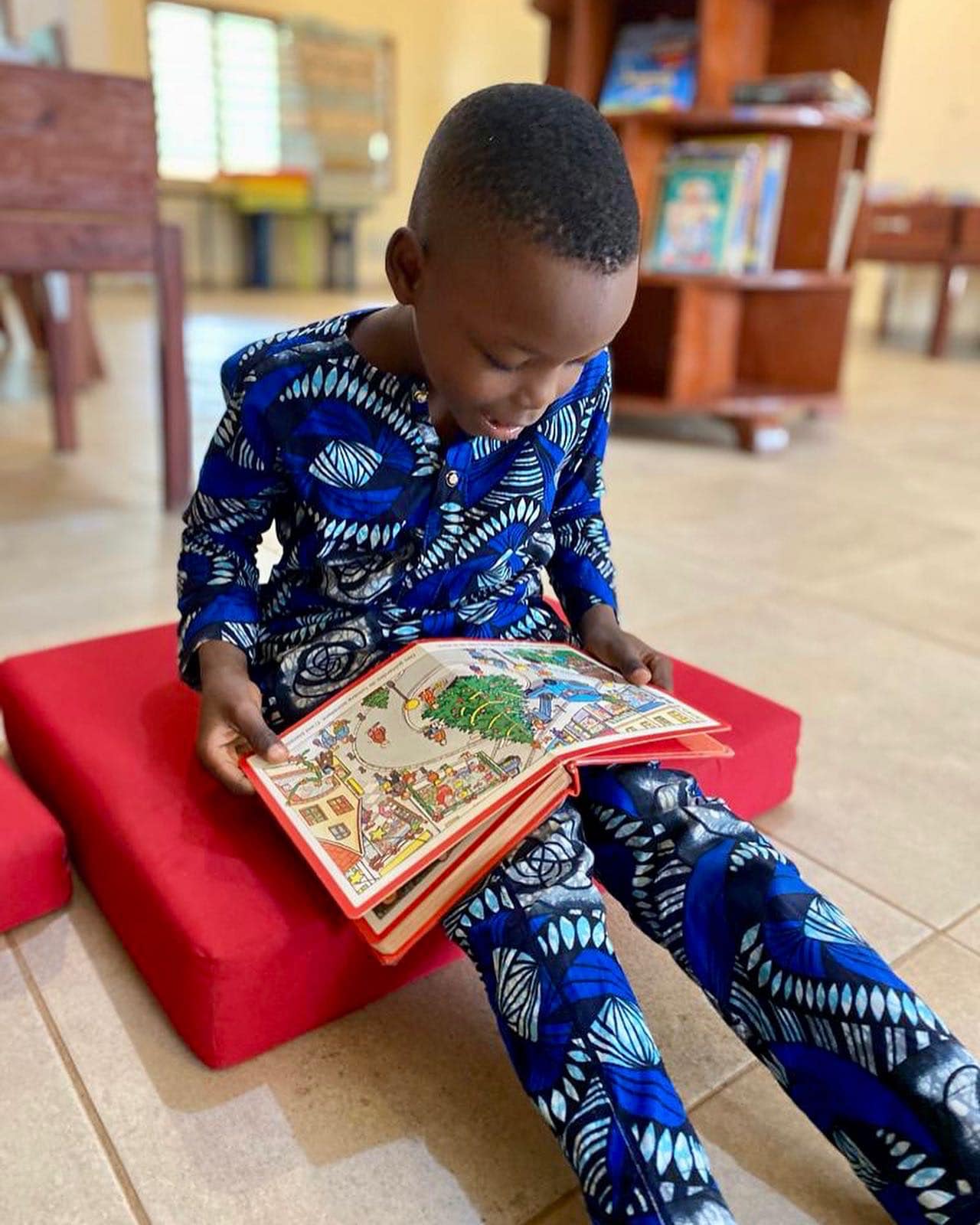
The project aims to significantly improve education by doubling the number of primary classes in the short term, expanding secondary education in the long term and creating a cultural center. This center will allow children to have access to a youth library, to participate in sports and artistic activities, and will include a specialized unit for dysorthographic children.
On an environmental level, the project aims to promote healthy agriculture by opening a reception area dedicated to the environment. It will increase the capacity for nature classes and environmental camps, open an educational garden, and develop our market garden for a training and research program.
The Result
For tracking the impact in education, the Cité Saint-Damien de Molokaï detailed its efforts in various areas. Enrollment increased as the school welcomed children to smaller class sizes, and library activities expanded to include middle school students. The establishment of a center for dysorthographic children is a key development, allowing tailored support through new programs with speech therapists. Children engaged more in robotics and IT projects, fostering their creativity and technical skills. Additionally, report cards reflected progress across the board, exemplifying educational growth, including improvements in dysorthography. Qualified staff hiring, a strategic move to enhance educational effectiveness, further underscores their commitment.
On the environmental front, the impact was equally measurable. The new reception area hosted numerous educational garden sessions for classes, broadening participants’ understanding of agro-ecological practices. Training sessions attracted numerous trainees, driving community engagement in sustainable practices, and the project saw the planting of 500 trees as part of its ecosystem restoration efforts. The harvest quantification and increase in space for such initiatives highlight the positive strides made toward environmental sustainability.
2025 Midterm Report
Cite Saint-Damien de Molokai focused on addressing educational and environmental challenges in Benin through its Cité Saint-Damien de Molokaï initiative. The project’s impact was substantial, with direct benefits reaching 291 individuals and indirectly impacting 1,977, primarily children aged 3-12 and their families.
The initiative fostered educational growth by completing significant construction work on a new preschool and library improvements, allowing better access to educational resources. Additionally, 3,000 books were distributed, and environmental efforts saw the plantation of 500 trees, the creation of a compost area, and the introduction of young employees to sustainable practices. Furthermore, 1,800 meals were distributed, and the project supported 15 families in receiving housing.
Testimonies
“I love everyone’s generosity and kindness. I like the school trees, the courtyards, and the flowers.” -Wynell-
“I like the workshops, the way we teach classes, and the extra classes from the teacher. I also like the library and the outings.” -Ilan-
“I like the way the house is painted, the gardening, the neatly arranged flowers. As for cultural activities, I like the library, the games there, and the books. Basketball is a sport I really enjoy. I like the Kalaupapa hostel and the spaces there, like the trampolines, slides, and swings. Under the big straw hut, I love the tables, the clean environment (I like everything)!” -Junior-
2025 Annual Report
Project Title: “My school, my environment”
Cité Saint-Damien de Molokaï highlighted a year of transformative initiatives and impactful community engagement. This year’s achievements underscore the foundation’s commitment to education, environmental sustainability, and community cohesion in Agonsoudja, Benin.
Educational Expansion and Support Initiatives
They focused on the expansion of educational facilities and support programs. The foundation successfully doubled the number of primary school classes and initiated the construction of a secondary school. The development of a cultural center aims to enrich learning through various educational camps and activities.
Significantly, a specialized unit was established to support children with dysorthography, addressing the needs of students with learning difficulties. This effort is complemented by personalized learning plans to involve teachers and parents actively in the educational process.
Environmental and Cultural Development
On the environmental front, the foundation expanded its vegetable garden and launched training programs in sustainable agriculture. This has not only fostered environmental awareness but also created employment opportunities.
Cultural activities have also been highlighted, with theater and library programs enhancing student engagement and vocabulary enrichment. These initiatives have been instrumental in instilling a love for reading and improving academic performance.
Community Impact and Future Outlook
Over 438 direct beneficiaries, including children and educators, have been positively impacted by the foundation’s efforts. Indirectly, the programs have reached 895 individuals, encompassing teachers, parents, and local community members.
Looking ahead, the foundation plans to continue its expansion efforts by constructing new educational facilities and enhancing current ones. It aims to secure additional funding for solar power installation and the development of a sports field.
Testimonies
“I’ve noticed an improvement in my students’ reading skills, considering the short time they’ve spent at the library since the start of the school year. This helps us a lot with our classroom work. I really enjoyed the ‘Word Scrabble’ exercise and I’d like to study novels with the students.” -Mr. Mathias ADJOKANNON, a teacher in the fourth grade (CM1) at Les Petits Génies school-
“What I like about school is the vegetable garden and basketball. I like basketball because I can play a game. I like going to tutoring sessions because they encourage me to do better. They help me a lot with French, math, spelling, grammar, and conjugation. I’m learning to think and succeed.” –Maria Tougan, Grade 5-
“At my school, I like activities like basketball, gardening, modeling, and painting. I am happy to come to school because at school we learn to work well, to work in groups, and to work peacefully. I like playing basketball because I love sports and I can’t wait to meet a new team.” -Raodath Challa, Grade 4-