L’école comestible
Think Human Fund
Mission & History
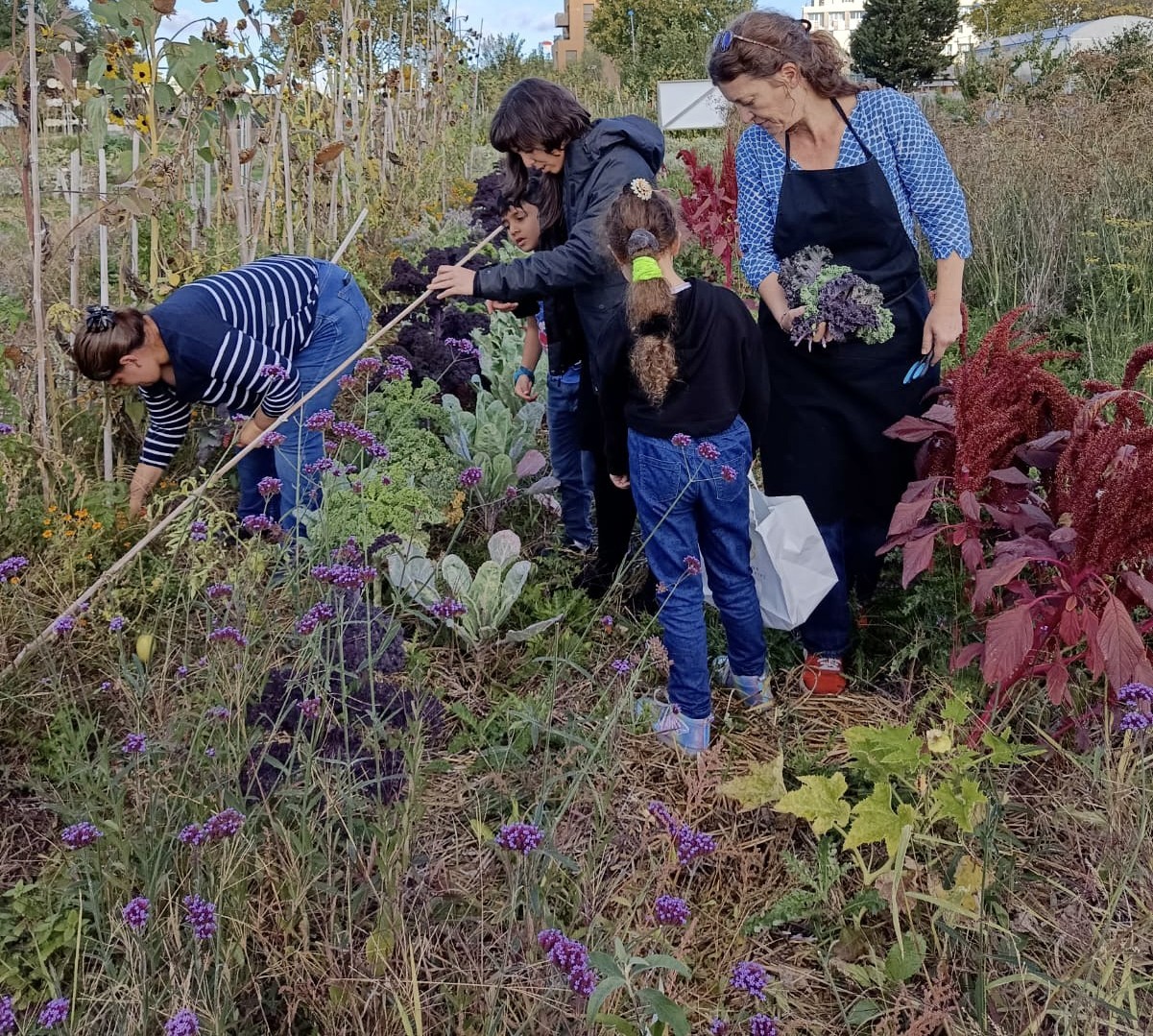
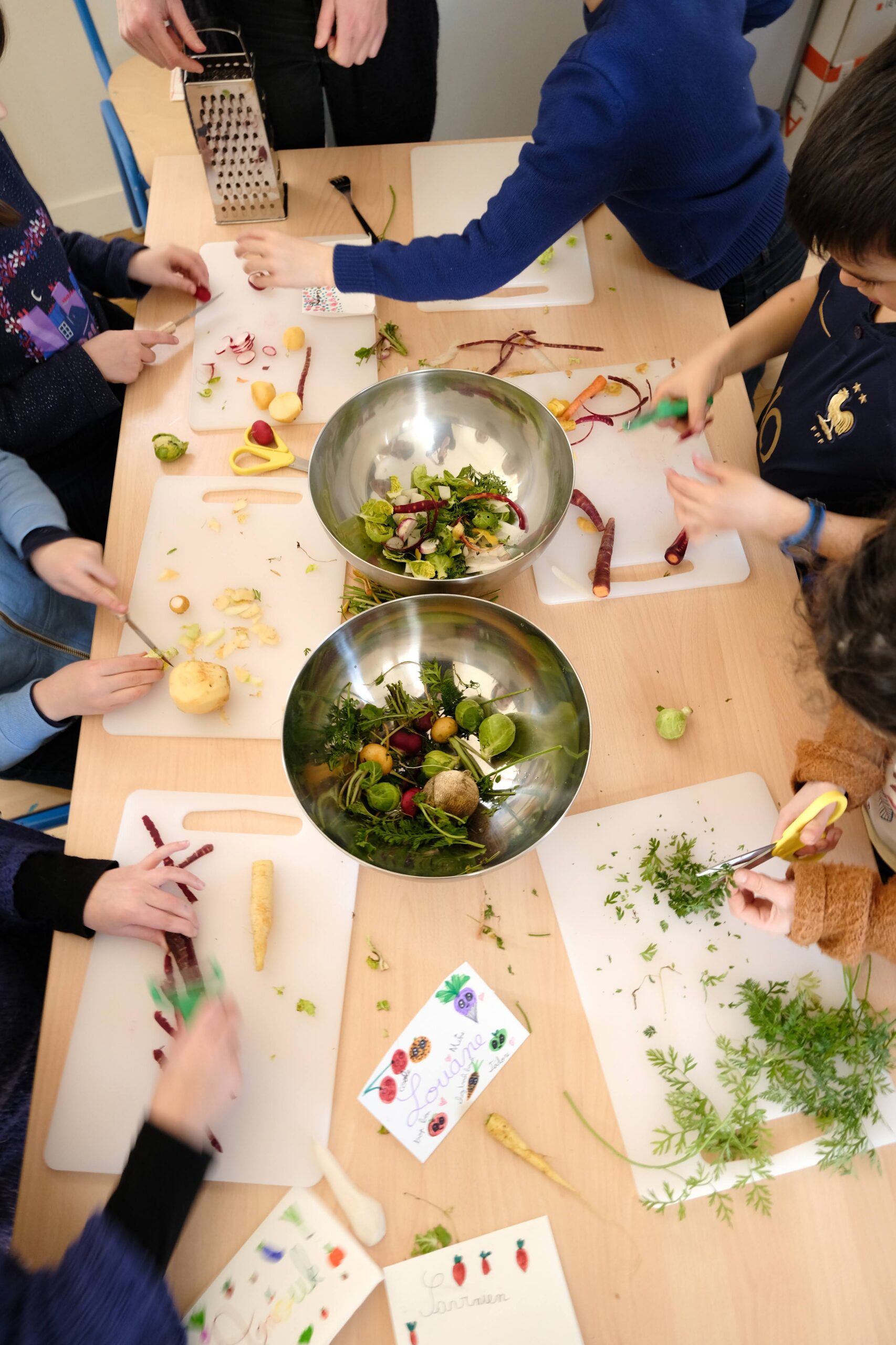
L’école comestible, established in late 2019, seeks to transform the world through teaching children healthy, sustainable, and tasty food practices, from farm to fork. As a nonprofit under the French Law of 1901, the organization operates with a team spread across multiple regions in France.
Led by founder Camille Labro, a culinary journalist, it has successfully promoted sustainable food education through workshops and training programs for children and educators. Over six years, it conducted more than 4,000 workshops and developed seven regional branches, enhancing food literacy and sustainable practices.
Country Information
In France, 17% of children suffer from obesity, with 4% classified as obese, posing significant health risks. The country also faces substantial food waste issues, with 9.7 million tons wasted annually, contributing to high carbon emissions. Local farmers often struggle economically. These interlinked challenges underline the necessity to educate children in sustainable and healthy eating, aiming to foster a generation that values conscious food choices and supports local producers.
The Need
In this era of global warming, food accounts for 25% of the carbon footprint of French citizens and has an impact on the health of ecosystems, biodiversity, and soil. Food education is therefore becoming a lever for ecological transition. There’s a need to instill healthy and sustainable eating habits in children to combat rising childhood obesity and malnutrition in France; not just the children – the families and communities need to be aware of the origins of food, how to cook balanced meals, and learn the importance of food appreciation.
The Project We Fund
The project is designed to reach new schools and children across France, building on existing successful workshops on sustainable eating and anti-food-waste practices. This initiative plans to expand its educational model to new regions, starting with three partner schools in Lille, followed by expansions to Nancy, Metz, and Strasbourg over three years. It involves direct engagement through hands-on workshops and extends impact to 300 beneficiaries including children, teachers and educational teams.
The Result
The project aims to strengthen food literacy among children, foster responsible consumption habits, and enhance awareness of health and environmental issues. By building stronger connections between schools, families, and local food systems, it aims to cultivate a generation that values sustainable practices. The project is scalable, with over 10,200 children participating nationwide, demonstrating its replicability and potential to reach more communities, supported by training for teachers and local authorities.