Rotary Club Le Belvedere
Think Human Fund
Mission & History
Building on Rotary International’s long tradition of community service, Rotary clubs in Tunisia have implemented a wide range of development projects that address local needs. These efforts have included partnerships with international Rotary clubs, such as the Rotary Club of Strasbourg Sud in France, to expand educational resources for underserved students. Over the years, Rotary has also improved access to clean water in rural communities, empowered women through small-scale livestock farming initiatives, contributed to environmental restoration through the reforestation of the RAFRAF forest, and rehabilitated numerous schools in remote areas, helping hundreds of children access education in safer and more supportive learning environments.
Rotary is dedicated to serving communities, promoting high ethical standards, and fostering understanding, goodwill, and peace through the collective efforts of community, civic, and professional leaders. In Tunisia, this mission is carried out through impactful initiatives that improve access to education, clean water, economic opportunities, and environmental sustainability. Key actions include distributing 40,000 educational books to disadvantaged schools, providing water infrastructure to underserved villages, supporting income-generating livestock projects for vulnerable women, and leading reforestation efforts to protect local ecosystems.
Country Information
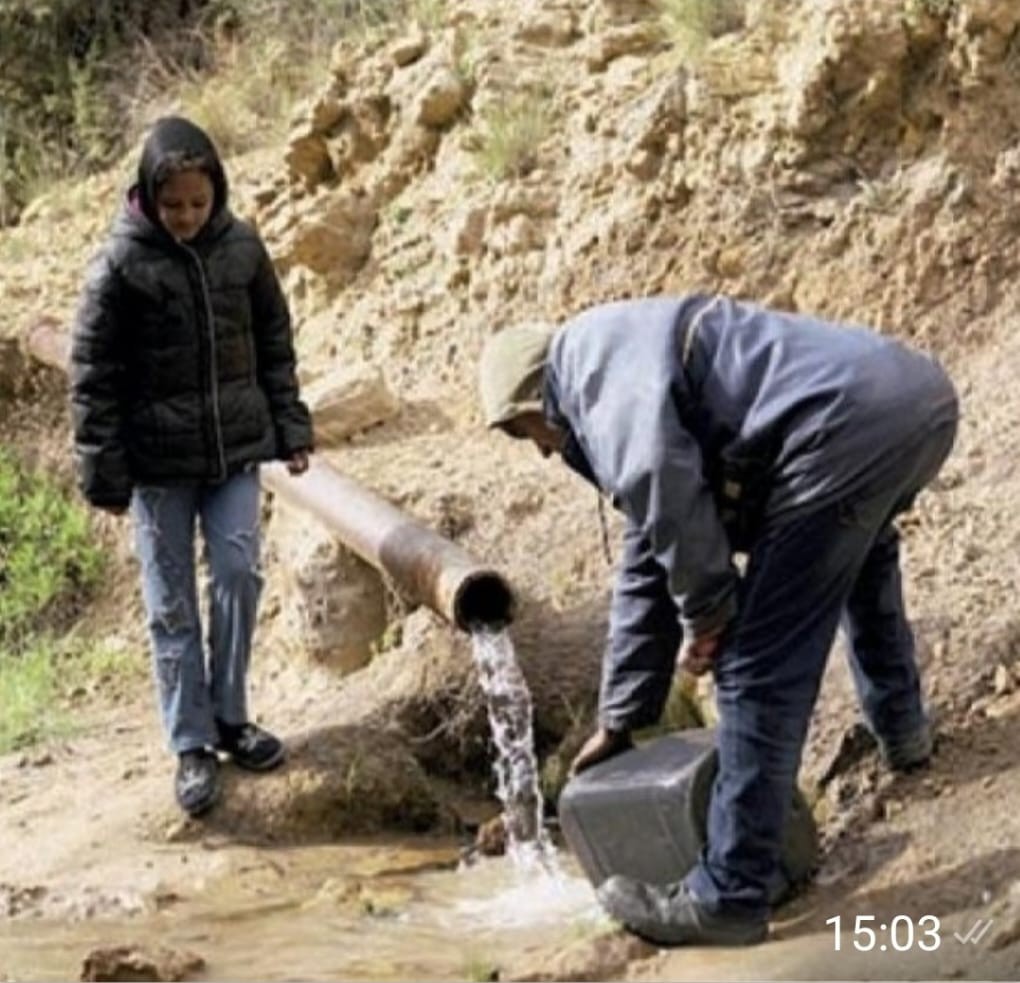
Tunisia is one of the most water-stressed countries in the world, with renewable freshwater resources of less than 450 cubic meters per person per year—far below the internationally recognized water scarcity threshold. The country faces growing challenges from climate change, including prolonged droughts, rising temperatures, and declining groundwater reserves, which place increasing pressure on water availability. Rural communities are particularly vulnerable, as many rely on costly and energy-intensive water pumping systems that are affected by electricity shortages and rising energy prices. These challenges result in inconsistent access to water for thousands of households, impacting public health, agricultural productivity, and local livelihoods. In this context, sustainable solutions such as solar-powered water systems are critical to improving water security, strengthening climate resilience, and supporting inclusive rural development across Tunisia.
The Need
Many rural communities in Tunisia continue to face unreliable access to safe water due to frequent disruptions in electricity-powered pumping systems and the high cost of energy. These challenges result in inconsistent water availability, affecting household needs, health and hygiene conditions, agricultural activities, and overall community well-being. The need is especially urgent for vulnerable families who depend on a reliable water supply for their daily lives and livelihoods. By providing a stable, sustainable, and affordable water solution, the project addresses a critical basic need, improving living conditions, strengthening resilience to ongoing water and climate challenges, and benefiting more than 2,000 families.
The Project We Fund
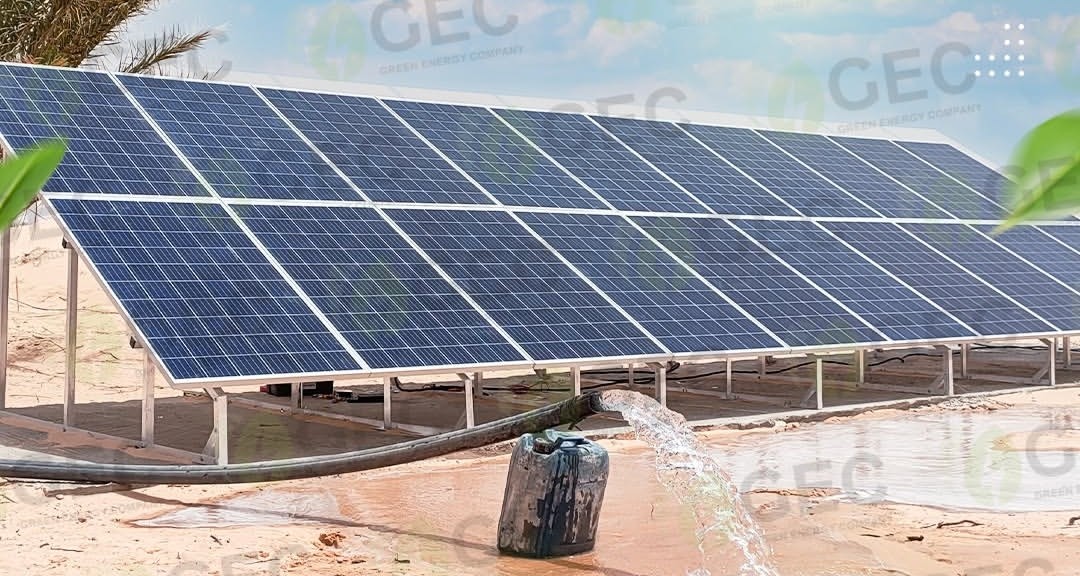
This project will provide a sustainable solar-powered solution to ensure continuous access to clean water for more than 2,053 families (over 10,000 people) in the rural communities of Aïn Zrig and Jebel Oueslet, Tunisia. By installing photovoltaic systems at two water pumping stations, the project will eliminate disruptions caused by power outages, ensuring a reliable 24/7 water supply. In addition to improving health, hygiene, and daily living conditions, the initiative will reduce energy costs and carbon emissions, strengthen community resilience, and promote long-term sustainable water management. Activities include technical assessments, solar system installation, testing and commissioning, beneficiary training, and the creation of community management committees to ensure the systems remain operational for years to come.
Volunteer game-changers can play an important role in the success of the project by being actively present throughout its implementation. Volunteers can support coordination efforts, help monitor progress at key stages, participate in community engagement activities, assist with awareness campaigns on water conservation and sustainability, and encourage local ownership of the project. Their involvement helps ensure that activities are completed smoothly, beneficiaries remain engaged, and the project delivers lasting impact for the communities it serves.
The Result
The project is expected to deliver measurable and long-term improvements in water access, sustainability, and community well-being for approximately 11,000 direct beneficiaries in the rural communities of Aïn Zrig and Jebel Oueslet. Through the installation of solar-powered water pumping systems, families will benefit from reliable 24/7 access to clean water, leading to improved health, hygiene, and quality of life. The project will also reduce energy costs and carbon emissions while strengthening local resilience and promoting sustainable resource management. Impact will be monitored through system performance, water availability, number of households served, service continuity, user satisfaction, energy savings, and emissions reductions. Regular field visits, feedback from community committees, and transparent reporting will ensure accountability and demonstrate the project’s lasting social, environmental, and economic benefits.