Mitia Madagascar
Think Human Fund
Mission & History
Country Information
Madagascar, situated off the southeastern coast of Africa, is home to over 30 million people. The country faces significant economic challenges, with a GDP per capita of only $531, placing it among the lowest globally. Tamatave, a major city in Madagascar, exemplifies the country’s economic disparities, where many children suffer from poverty and lack of shelter, often living as street children. The socio-economic conditions in Madagascar are further exacerbated by natural disasters like Cyclone Gezani, which have devastated infrastructure and increased vulnerability.
The Need in 2026
There is a marked need to support single mothers and children affected by early or unwanted pregnancies in Tamatave, Madagascar. Many young women face societal neglect, leading to school dropouts and limited job opportunities. The lack of educational and economic support, combined with cultural taboos, exacerbates their vulnerability, leaving them and their children at high risk of poverty and exploitation.
The Project We Fund
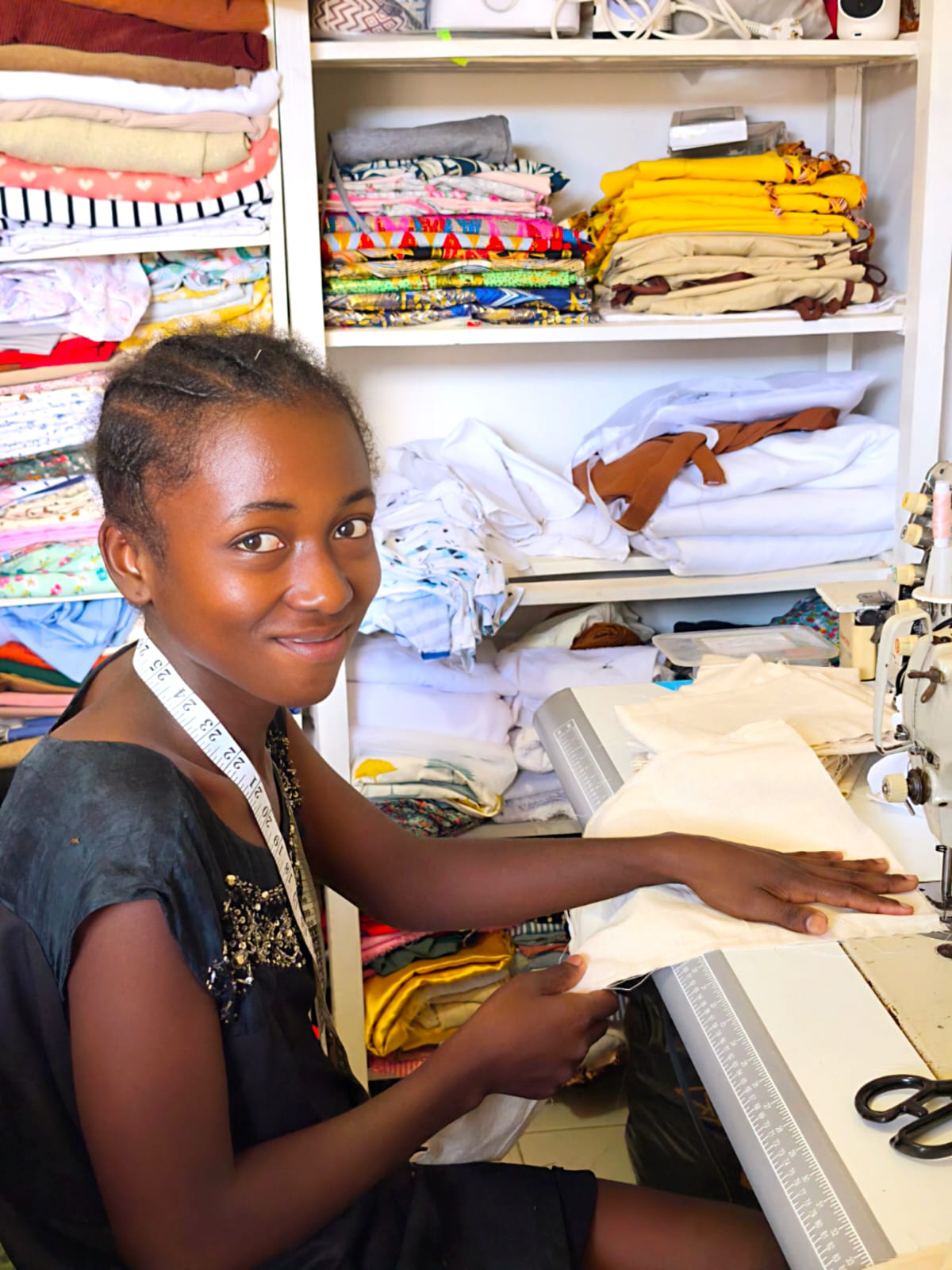
The “Women in Solidarity” initiative facilitates the creation of a reception and training center for single mothers and their children, offering quality care and professional support that will benefit 2,300 direct beneficiaries. This project is designed to empower these women through vocational training, ensuring they can secure employment and provide for their families.
The Result
============================================================================================================================
The Need in 2024
The situation is critical, with several pressing issues needing attention. Firstly, there is an urgent need to renovate the Centre Enfants de Joie school to provide a dignified and secure learning environment for 450 children. Additionally, improving accessibility in both the orphanage and school is essential to accommodate disabled individuals. The orphanage’s capacity also requires expansion, aiming to increase places from 30 to 60. Establishing a vocational training center for people with disabilities is another key priority, helping support their professional integration. Achieving food self-sufficiency through farming, along with generating income from surplus production, is vital for sustainability. Furthermore, implementing ecological solutions is crucial, such as using black soldier fly larvae for livestock feed, installing photovoltaic panels, and developing water supply and treatment systems.
The Project We Fund
The project is centered on two main objectives. First, it involves renovating the Professional Training Center to facilitate the integration of children with and without disabilities into the workforce. This initiative aims to provide equal opportunities and foster an inclusive environment. Second, the project emphasizes reinvestment by using the profits generated from the training center, whether in monetary form or through food, to achieve 80% autonomy for the association’s food and budgetary needs. This approach not only supports self-sufficiency but also ensures the sustainability of the association’s operations.
The Result
The project’s impact will be meticulously tracked through several key measures. Disability tracking will involve specialist assessments to measure autonomy and learning progress for children with disabilities. Capacity building will be monitored by evaluating the number of children accommodated in the newly established facilities for disabilities. To assess infrastructure improvements, before-and-after photos and student interviews will be utilized, along with obtaining compliance certificates from E2C Tamatave. Learning improvement will be evaluated through annual national exam results, while food autonomy will be assessed by comparing food-related costs to the overall budget, supported by annual audits from Nomery.
In terms of project management, there will be regular reporting through quarterly steering committee meetings and bi-monthly project meetings with stakeholders, alongside quarterly progress reports from cooperators. An extensive 150-page annual report will be submitted to the Luxembourg Ministry of Foreign and European Affairs (MAEE). Additionally, audits and evaluations will include an annual financial audit conducted by a specialized firm and a final project evaluation by an independent firm in the third year for MAEE and contributors. These measures ensure rigorous operational and financial monitoring, allowing for necessary adjustments to be made as needed.
2024 Annual Report
The project benefited a total of 47 individuals directly. The impact included improvements in health and hygiene standards for children, reduced incidence of illnesses, and enhanced academic levels through various educational and vocational training initiatives.
Testimonies
Francia, 15 years old: She is happy to be at the center, except when she asks to go out with the family on holidays
Narindra, 12 years old: Thriving thanks to the many toys and her relationships with other children; it’s better compared to her previous center
Sabrina, 18 years old: Feels good at the center because it is a place of escape for her after a stressful school day due to a strict teacher