Bauen Project
Think Human Fund
Mission & History
Founded in August 2021, Bauen Project was created to close the gap between research and grassroots action. Since then, it has implemented participatory biodiversity initiatives, led community-based restoration efforts in the Amazon, conducted rural and indigenous assessments, and partnered with academic and international organizations to strengthen environmental leadership and governance.
Bauen Project’s mission is to transform conservation by bridging scientific research and local communities, positioning them as active co-creators in protecting ecosystems. It advances environmental restoration, climate adaptation, and sustainable practices through community participation, education, and ESG-aligned strategies.

Country Information
Colombia hosts over half of the world’s páramo ecosystems, including the Cruz Verde–Sumapaz—the largest globally and a vital freshwater source for over 10 million people. These areas are environmentally critical and highly protected, while surrounding rural communities, many affected by conflict, are prioritized under national policies for conservation and water protection.
The Need
To protect the Sumapaz páramo by actively engaging local communities in conservation efforts, restoring biodiversity across six public estates, and stewarding 30,000 native plants to address ongoing environmental degradation and the lack of inclusive, community-led conservation approaches.
The Project We Fund
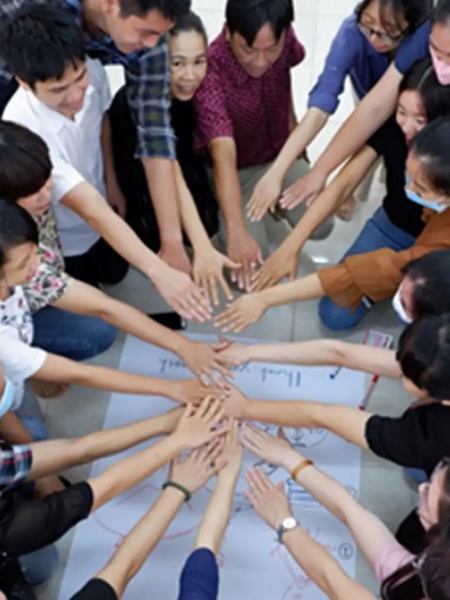
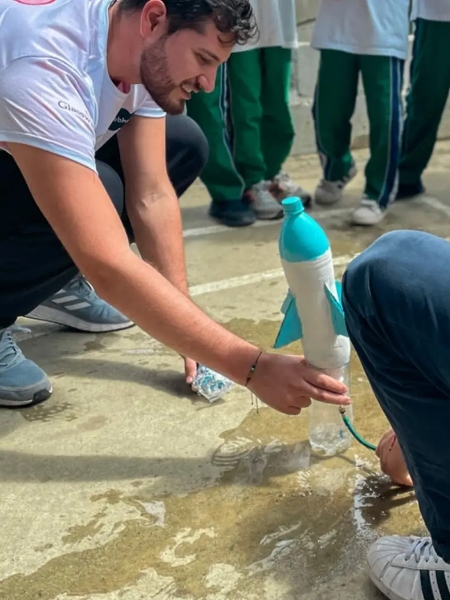
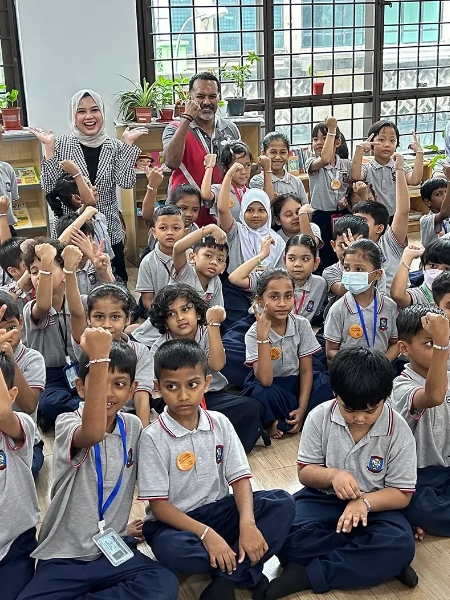
The project supports the restoration of the Sumapaz páramo by establishing an Aula Viva (living classroom) and engaging local communities in stewarding 30,000 native plants across six public estates. It combines environmental restoration with community-led learning through schools, elders, and women’s groups, strengthening local knowledge, conservation practices, and long-term ecosystem care.
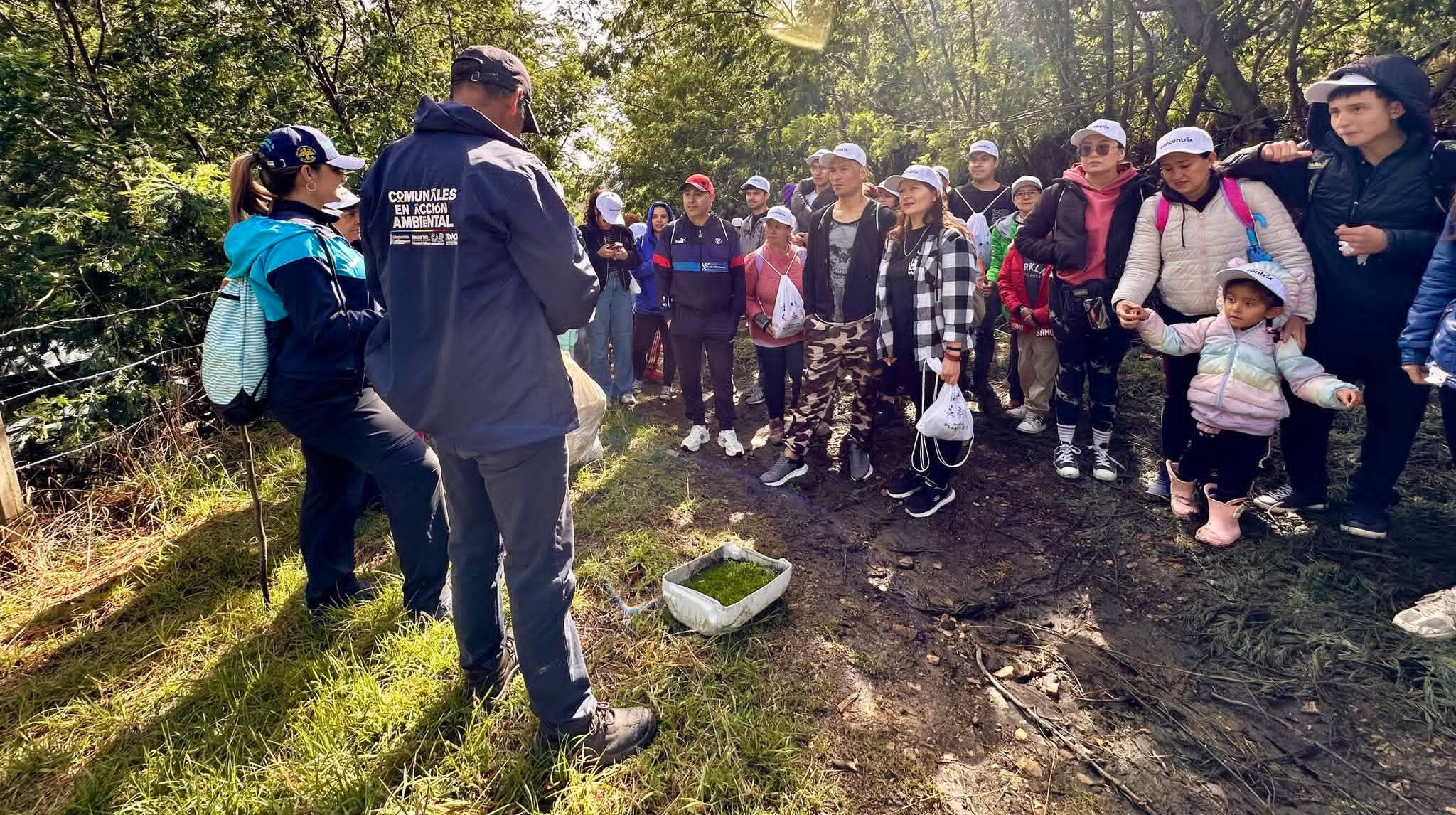
Volunteer game-changers can join field activities such as planting and restoration, engage with community learning initiatives, and support knowledge-sharing efforts. The project aims to involve 10–20 volunteers, including site visits to directly contribute to conservation and connect with local communities.
The Result
The project’s expected results focus on measurable environmental, social, and governance impact through a robust monitoring system. Progress is tracked using ecological indicators (e.g., biodiversity and restoration data), learning outcomes for participating children, and active engagement of elders and women through knowledge outputs such as seed banks and oral histories. Regular reviews, reporting, and community validation ensure accountability and continuous improvement.
Overall, the project aims to achieve lasting ecosystem restoration while strengthening community knowledge, participation, and stewardship, benefiting 155 direct participants.